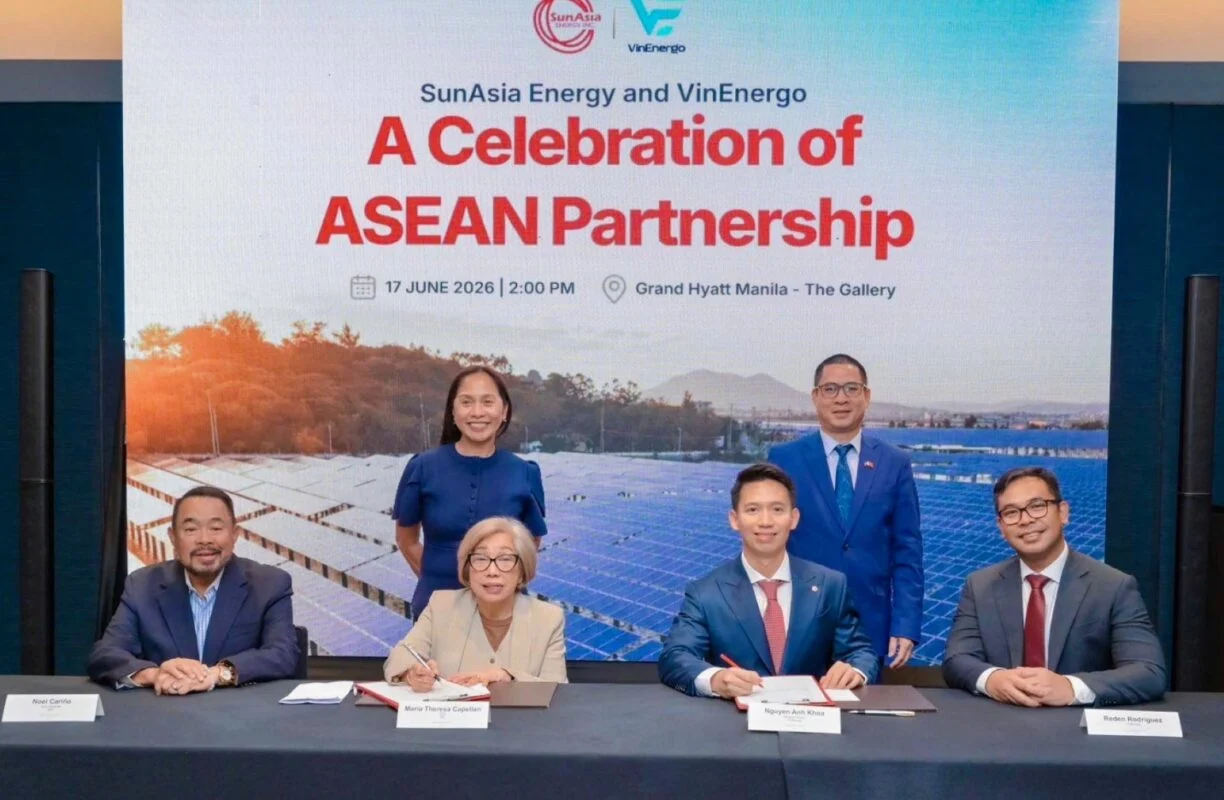
VinEnergo and SunAsia Energy have partnered to develop 422MWp of floating solar projects in the Philippines.
Why it matters: If this 422MW project proves bankable in a high-wind zone, it removes the 'technical risk' excuse for EU banks to fund your next big reservoir project.
A 422MWp floating solar (FPV) portfolio isn't just another regional headline; it’s a massive R&D laboratory for the mechanical stresses your future European projects will face. While installers in the Netherlands or France are wrestling with 5MW or 10MW reservoir pilots, SunAsia and VinEnergo are moving into "industrial scale" territory in a geography defined by extreme weather. If these rigs can survive a Pacific typhoon season, your local lake project in Bavaria or a reservoir in the Alentejo is child's play.
The 'Typhoon Premium' for EU Engineering
European developers often underestimate the mechanical loads on FPV anchoring systems. In the Philippines, they don't have that luxury. We’re talking about massive wind-uplift and wave-action variables that dwarf anything seen on the Rhine. For a developer in Portugal eyeing expansion at the Alqueva reservoir—currently a flagship for European FPV—the data coming out of this 422MW build is more valuable than any lab simulation. We need to see how modular floats from heavyweights like Ciel & Terre handle the fatigue of 400+ megawatts of surface area tension over a five-year horizon.
The Margin Trap
Don't get blinded by the scale. FPV still carries a 20-30% CapEx premium over traditional utility-scale ground-mount. In the EU, where LCOE (Levelized Cost of Energy) is a knife fight, that premium only makes sense when land costs or permitting bottlenecks are insurmountable. If you’re a mid-sized EPC, don't pivot to "floating solar specialist" just because the tech looks cool in a brochure. The specialized O&M requirements—including diver-led anchor inspections and specialized salt-mist resistant string inverters from Huawei or Sungrow—can incinerate your margins if you haven't accounted for the marine-grade logistics and the higher failure rates of submerged cabling.