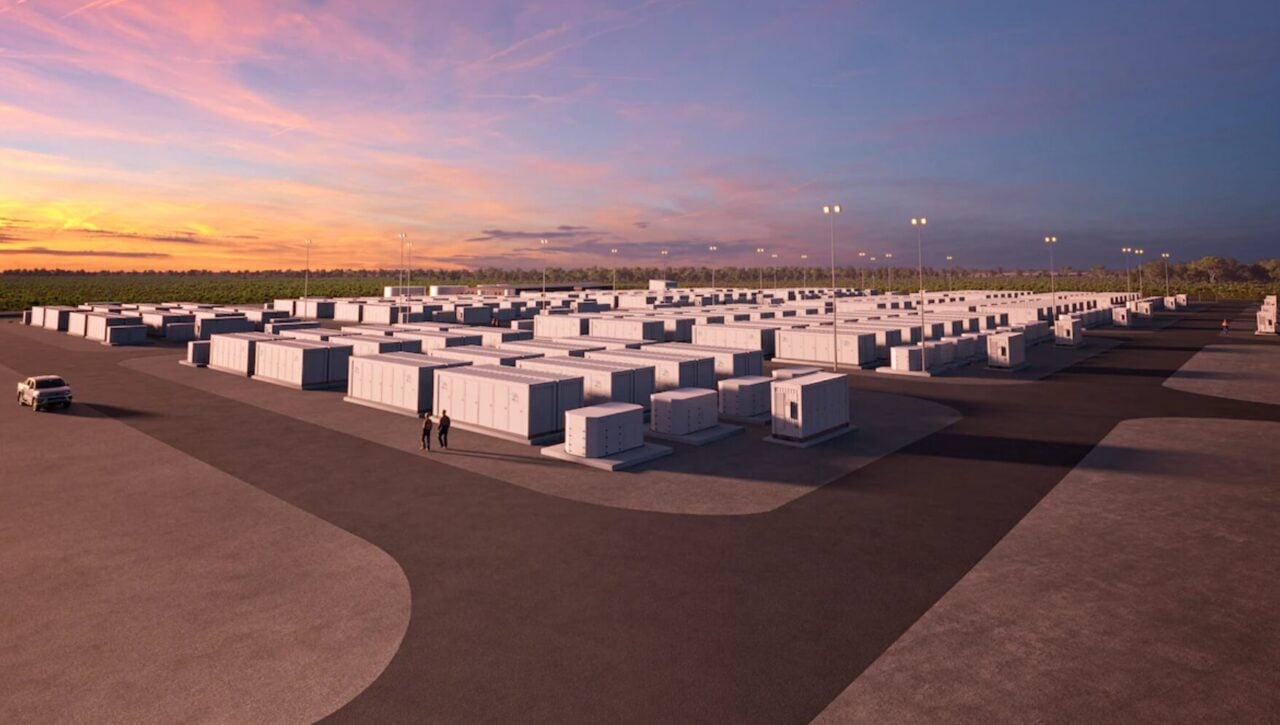
Australian utility AGL Energy has submitted a 100MWh BESS in New South Wales for federal environmental assessment under the EPBC Act.
Why it matters: The 2-hour BESS duration is the global 'goldilocks' zone for ROI; ignore this benchmark and your C&I projects will succumb to negative pricing.
Don’t let the 15,000 kilometers between Berlin and New South Wales fool you. AGL’s move to push the 50MW/100MWh Awaba project through environmental hurdles is a direct preview of the survival strategy European developers need to adopt right now. While many EU installers are still arguing over whether a C&I client needs a battery, the Australians have already realized that solar-only is a stranded asset waiting to happen.
The 2-Hour Standard is the New Floor
Note the duration: 2 hours. This isn't about long-duration storage for seasonal shifts; it's about tactical arbitrage. In markets like the Netherlands and parts of Germany, we are seeing the same 'duck curve' volatility that plagued Australia five years ago. If you are pitching a 1MWp rooftop system in 2024 without at least 2MWh of storage, you are effectively selling your client a ticket to negative-price purgatory. AGL isn't building Awaba out of the goodness of their heart—they're doing it because the price of electricity during the solar peak is hitting zero or going negative with ruthless frequency.
The math is blunt: In Spain, curtailment reached record highs this year, sometimes hitting 15-20% for specific projects. AGL’s 100MWh bet proves that the 'wait and see' approach to storage is over. If you aren't integrating 2-hour BESS into your project pipeline today, you won't have a pipeline by 2026.