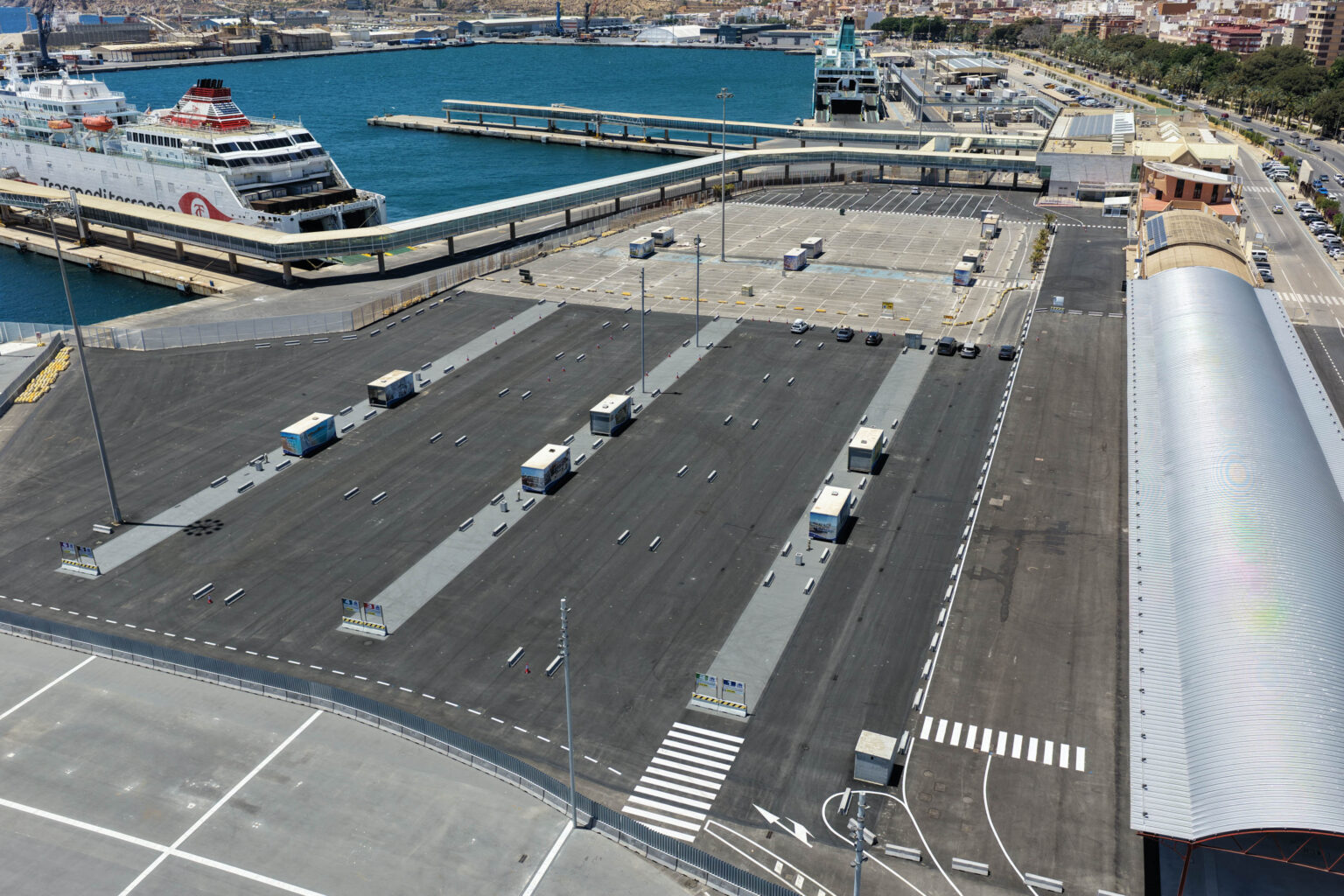
La Autoridad Portuaria de Almería (APA) ha sacado a licitación la instalación de 885 kW de marquesinas fotovoltaicas para autoconsumo en el parking del Muelle de Ribera I del Puerto de Almería... El presupuesto base de licitación es de 3,63 millones de euros.
Why it matters: The massive €4.1/W budget reveals that in maritime environments, civil engineering and corrosion protection now cost far more than the PV hardware itself.
Stop and look at that math for a second. €3.63 million for 885 kWp. That is €4,100 per kilowatt peak. In a market where Spanish C&I rooftop projects are frequently closing below €0.80/W, and even premium carports rarely break the €1.80/W barrier, this Almería tender is an absolute outlier. If you’re a private installer pitching a local warehouse owner in Andalusia, don’t you dare use these numbers as a benchmark for your ROI calculations.
The "Maritime Premium" Trap
Why the massive price tag? It’s not just the solar modules. Working in a port environment like Muelle de Ribera I means you aren't just an installer; you're a civil engineer fighting the Mediterranean. We are talking about C5-M corrosion resistance requirements for every nut, bolt, and rail. You’ll likely be looking at hot-dip galvanized steel or specialized aluminum alloys that laugh at salt spray. If you bid on this using your standard mounting kit, the salt air will eat your margins—and your rack—within three years.
The Public Tender Reality Check
The Bottom Line: If you're a lean EPC, don't let this budget make you greedy. A €4/W price tag doesn't mean high margins; it means high risk. For the rest of us, it's a reminder that while module prices from the likes of Jinko or Trina are bottoming out, the "everything else"—labor, specialized steel, and permit-hell—is where the real cost of European solar now lives.