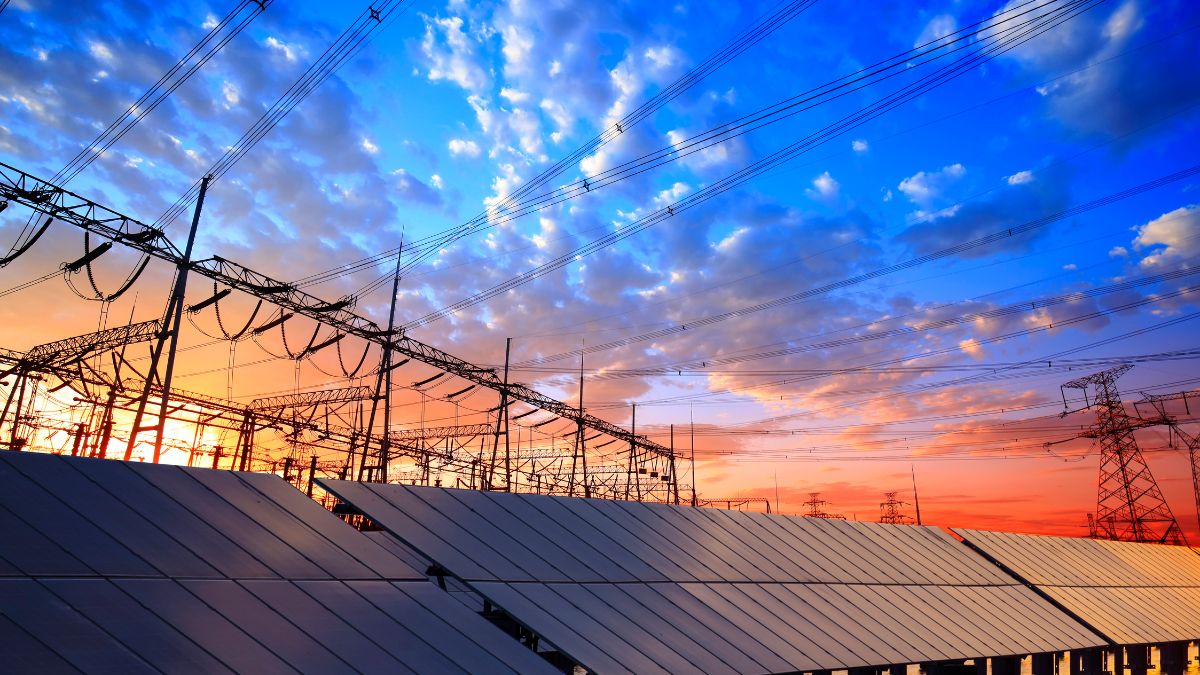
Operational since June 24, 2026, the project, which supports 3,500 MW of solar energy, was completed amid corporate restructuring.
Why it matters: As India masters gigawatt-scale grid integration in record time, the slow-walking of connection points by European TSOs is becoming a direct threat to local developer margins.
While European developers are busy filling out three-year Environmental Impact Assessments for a 50MW link that won't see energized copper until the next decade, Power Grid Corporation of India Limited (POWERGRID) just dropped a 3,500 MW hammer. To put that in perspective, this single commissioning event handles more capacity than the entire solar fleet of several EU member states combined. If you’re sitting in an office in Berlin or Madrid wondering why your 5MW project is stuck in "grid study purgatory," this news is a cold shower.
The Execution Gap
In Europe, we talk incessantly about the EU Action Plan for Grids and the theoretical need for €584 billion in investment. But while we strategize, India is executing. A 3.5GW scheme isn't just a project; it’s a strategic corridor. For a German or Dutch EPC, this is a reminder that the global center of gravity for utility-scale expertise is shifting. When Indian firms begin bidding more aggressively on European infrastructure tenders—and they will—they’ll bring a level of "build-fast" muscle memory that our local TSOs like TenneT or Amprion haven't flexed in decades.
The Supply Chain Ripple
We need to stop viewing these overseas milestones as distant curiosities. They are the benchmark for what is possible when the state treats the grid as a backbone rather than a bottleneck. In Europe, our technical capacity isn't the problem; it's our appetite for administrative friction.