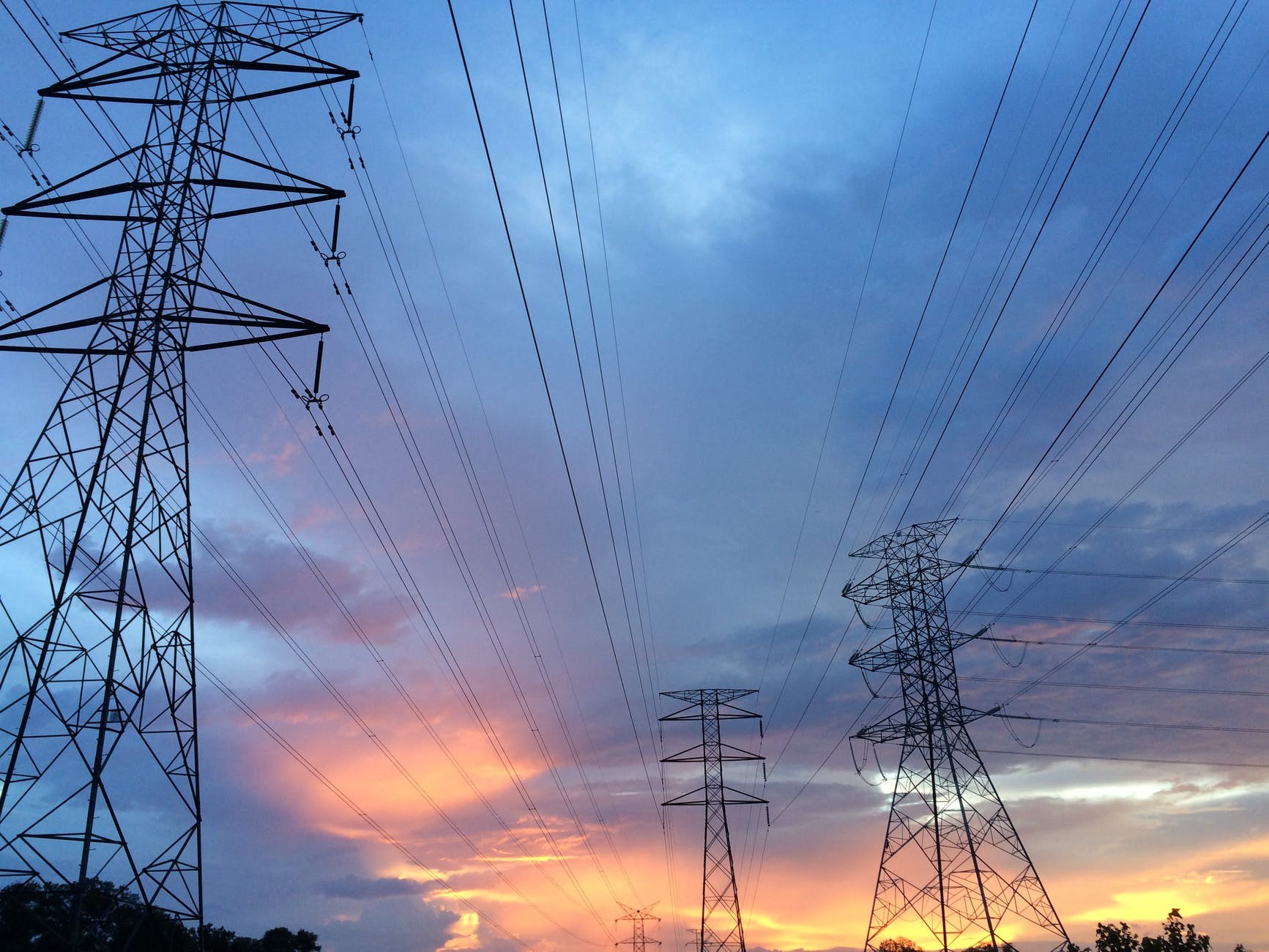
This legally binding framework focuses on secure and efficient grid operations, mandating integrated planning and forecasting from distribution companies.
Why it matters: Global grid code synchronization means the 'smart' features you pay a premium for in Europe are becoming the global commodity standard, lowering your hardware costs over time.
On the surface, a regulatory update in Chhattisgarh looks like local news from a place most European installers couldn't find on a map. But look closer: this is the professionalization of the world's third-largest solar market. By aligning with India’s National Grid Code (IEGC 2023), Chhattisgarh is signaling the end of the 'wild west' era of renewable integration. For those of us in the EU, this matters because it drives the global baseline for inverter firmware and grid-support hardware.
The Convergence of Grid Requirements
We’ve seen this movie before in Germany and the Netherlands. First comes the solar boom, then comes the grid instability, and finally, the regulators drop the hammer with mandatory forecasting and active power control. Chhattisgarh, a state historically reliant on heavy industry and coal, is now forcing its DISCOMs to adopt the same sophisticated level of planning we see under ENTSO-E regulations. When massive markets like India mandate these features, manufacturers like Huawei, SMA, and Sungrow stop building 'basic' versions for emerging markets and start standardizing advanced grid-forming capabilities across their entire global product lines.
Why the 'Cheap' Inverter Era is Ending
This regulation specifically targets 'integrated planning and forecasting.' In practical terms, this means every MW added to the grid must now be 'visible' and 'controllable.' If you’re a developer in Portugal or Poland, you benefit from this because the R&D costs for these complex software features are now being amortized across much larger volumes. We are approaching a point where a 50kW string inverter sold in Raipur will have the same sophisticated reactive power response as one installed in Munich.