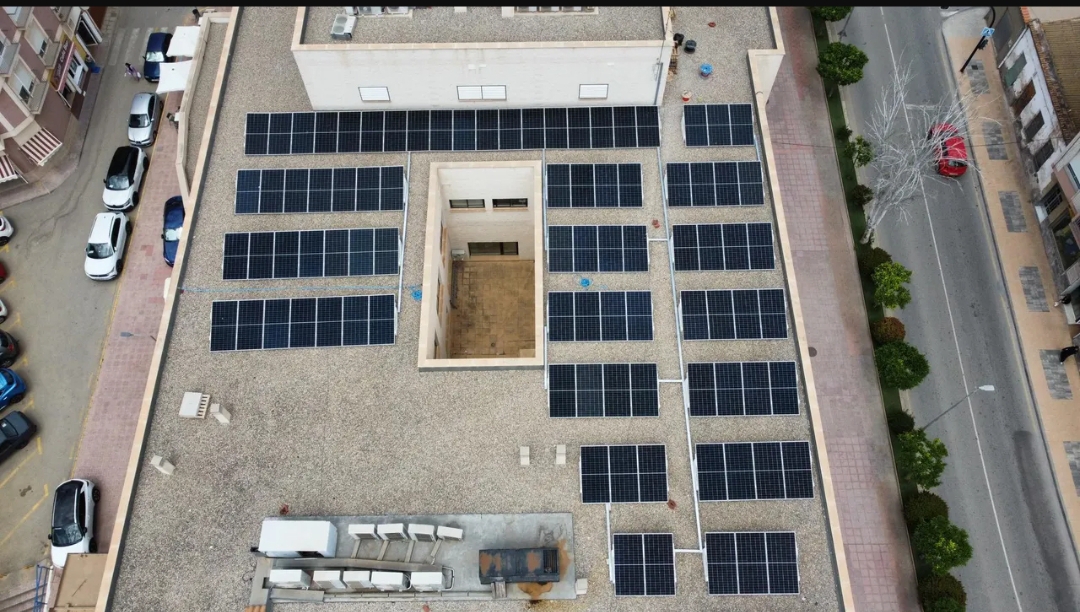
El Servicio Murciano de Salud ha puesto en marcha nuevas instalaciones de autoconsumo fotovoltaico en 13 centros de salud del Área de Cartagena, que permitirán un ahorro anual superior a los 700.000 euros, según sus estimaciones.
Why it matters: Public sector retrofits are the safest harbor for Spanish EPCs while the residential market remains in the doldrums.
Let’s look at the math behind this press release because it smells like a politician’s calculator. The Murcian Health Service (SMS) is claiming that a 500 kWp rollout across 13 sites will save them over €700,000 annually. That equates to roughly €1,400 in savings per kilowatt installed, per year. In a region like Murcia, where you’re lucky to get 1,600 kWh/kWp, that implies an avoided cost of energy north of €0.80/kWh. Unless Cartagena is running its health centers on diesel generators or the most toxic retail contracts in Spanish history, those numbers are heavily padded—likely including avoided grid fees, peak-shaving bonuses, and perhaps some very optimistic projections of future OMIE prices.
The Healthcare Sweet Spot
Despite the suspicious accounting, this project highlights why the healthcare sector is the ultimate prize for Spanish EPCs right now. Health centers are the perfect PV candidates: they have high, consistent daytime baseloads driven by HVAC and medical machinery, and they don't go on holiday in August when production peaks. For an installer, these aren't just one-off jobs; they are entry points into long-term O&M (Operations and Maintenance) contracts. Public entities are notoriously bad at panel cleaning and inverter monitoring. If you’re bidding on these tenders, don't just fight on the CAPEX of the Huawei or SMA string inverters; sell the 10-year uptime guarantee.
The Public Procurement Trap
If you're chasing these SMS-style tenders, remember the "Murcian trap." Public administration projects in Spain often suffer from sluggish payment cycles and rigid technical specifications that don't account for supply chain volatility. However, with the NextGenerationEU funds still trickling through the regional governments, the liquidity is there. The real play isn't the 500 kW today; it's the 5 MW of storage that these centers will inevitably need to manage their 24/7 critical loads once the Spanish government finally clarifies the BESS (Battery Energy Storage Systems) remuneration framework.