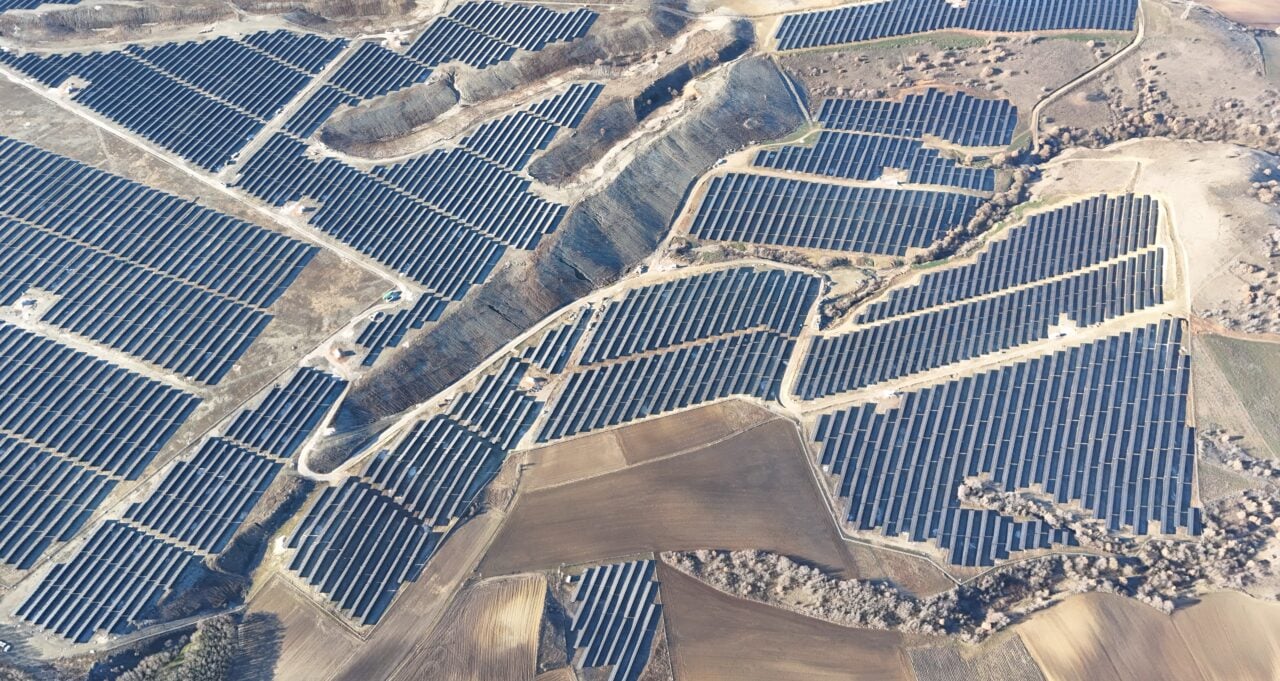
German energy firm RWE and Greek power supplier PPC have completed construction on a 930MW portfolio of solar PV projects in northern Greece.
Why it matters: The era of easy grid access in Greece is over; the incumbents have claimed the best spots, meaning your future projects must include storage to survive price cannibalization.
Don’t be fooled by the PR spin about 'green transitions' and 'reclaiming coal mines.' While 930MW of PV in Western Macedonia is a technical achievement, for the average European developer, this is a story about grid squatting. In a country like Greece, where the grid is as congested as a Saturday morning in downtown Athens, RWE and PPC have effectively executed a pincer movement to secure the most valuable asset in modern energy: the interconnection point.
The Incumbent Advantage
By building on former lignite mines, the METON Energy JV (the RWE/PPC vehicle) isn't just being environmentally conscious; they are leveraging existing high-voltage infrastructure that was originally built to evacuate power from massive coal plants. For a smaller C&I installer or a mid-tier developer in Greece, this is a sobering signal. While you’re fighting for a 2MW connection permit that might take 24 months to clear, the incumbents are moving in gigawatt-scale blocks by 'recycling' their old fossil fuel footprints.
The Cannibalization Calculus
Let’s look at the numbers. Greece’s updated National Energy and Climate Plan (NECP) targets 13.5 GW of solar by 2030. We are getting there faster than the demand side can keep up. This 930MW injection will contribute significantly to the 'duck curve' effect in the Greek wholesale market. We are already seeing zero—and occasionally negative—prices during peak solar hours in the Hellenic Energy Exchange. If you are pitching a PPA-based project in the Peloponnese right now without a serious BESS (Battery Energy Storage System) component, you are bringing a knife to a gunfight.