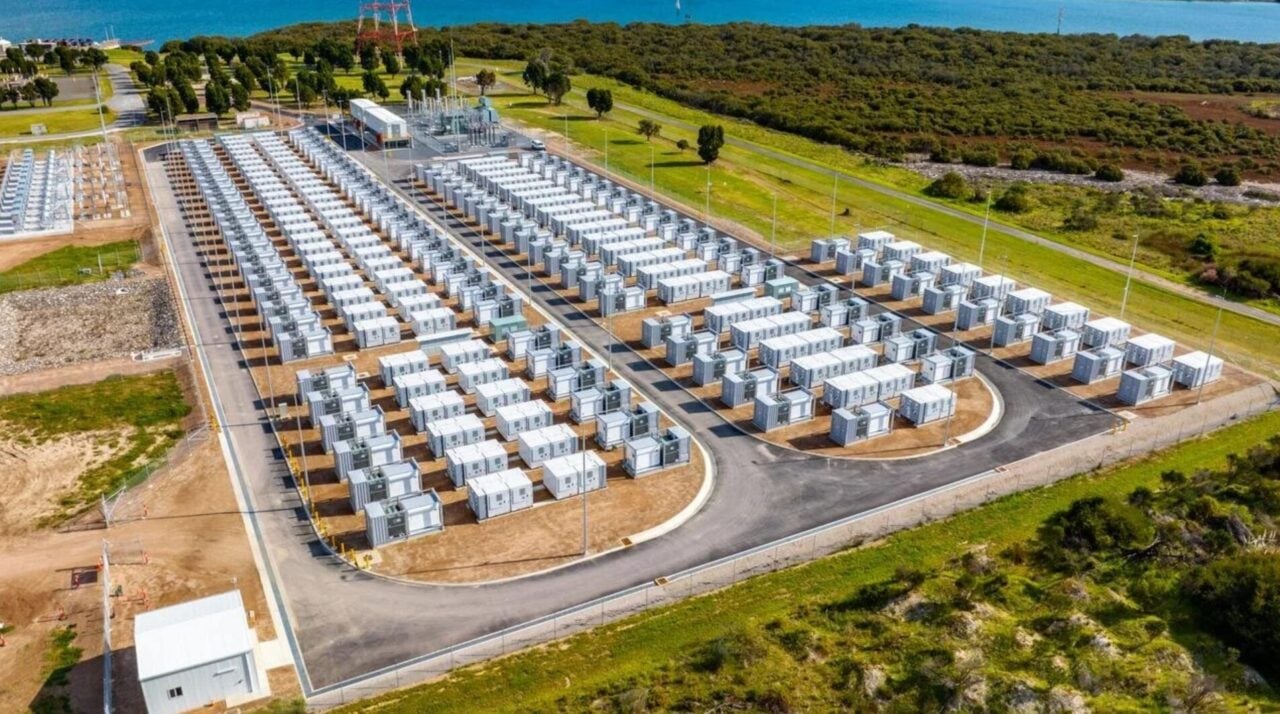
OptiGrid's Sahand Karimi examines why state of charge & algorithm quality drove divergent outcomes during SA1's AU$20,300/MWh price cap on 21 June.
Why it matters: Your BESS hardware is a commodity; your bidding algorithm is the only thing protecting your IRR when the market gets volatile.
Everyone loves to talk about LFP cycle life and C-rates, but South Australia just reminded us that the most expensive part of a BESS project is a mediocre algorithm. When the SA1 region hit a cumulative price cap event on June 21st, the spread wasn't just wide—it was a chasm. While some assets were sitting pretty, dumping power at AU$20,300/MWh, others were stuck with a full state of charge (SoC) and nowhere to go, or worse, they’d exhausted their capacity 15 minutes before the real peak hit.
The 'Dumb' Battery Trap
We see this same complacency in the Netherlands and Germany right now. Installers are selling C&I storage based on simple 'peak shaving' or basic day-ahead arbitrage. That’s amateur hour. In a market with high renewable penetration, the real money isn't in the predictable curve; it’s in the volatility tail. If your EMS (Energy Management System) isn't calculating the opportunity cost of discharging at €200/MWh when a €2,000/MWh spike is lurking in the imbalance market, you are actively burning your client's ROI.
The Technical Debt of Cheap EMS
I’ve sat through enough Intersolar pitches to know that every startup claims to have 'AI-driven optimization.' But look at the Australian data: the 'divergent outcomes' Karimi mentions are usually the result of software that can't handle simultaneous constraints. You need to manage aFRR (Automatic Frequency Restoration Reserve) obligations while keeping enough headroom for a price spike, all while respecting the thermal limits of your cells. If you’re using a basic script provided by a mid-tier inverter brand to manage a 1MW+ system in the EU, you’re bringing a knife to a gunfight.