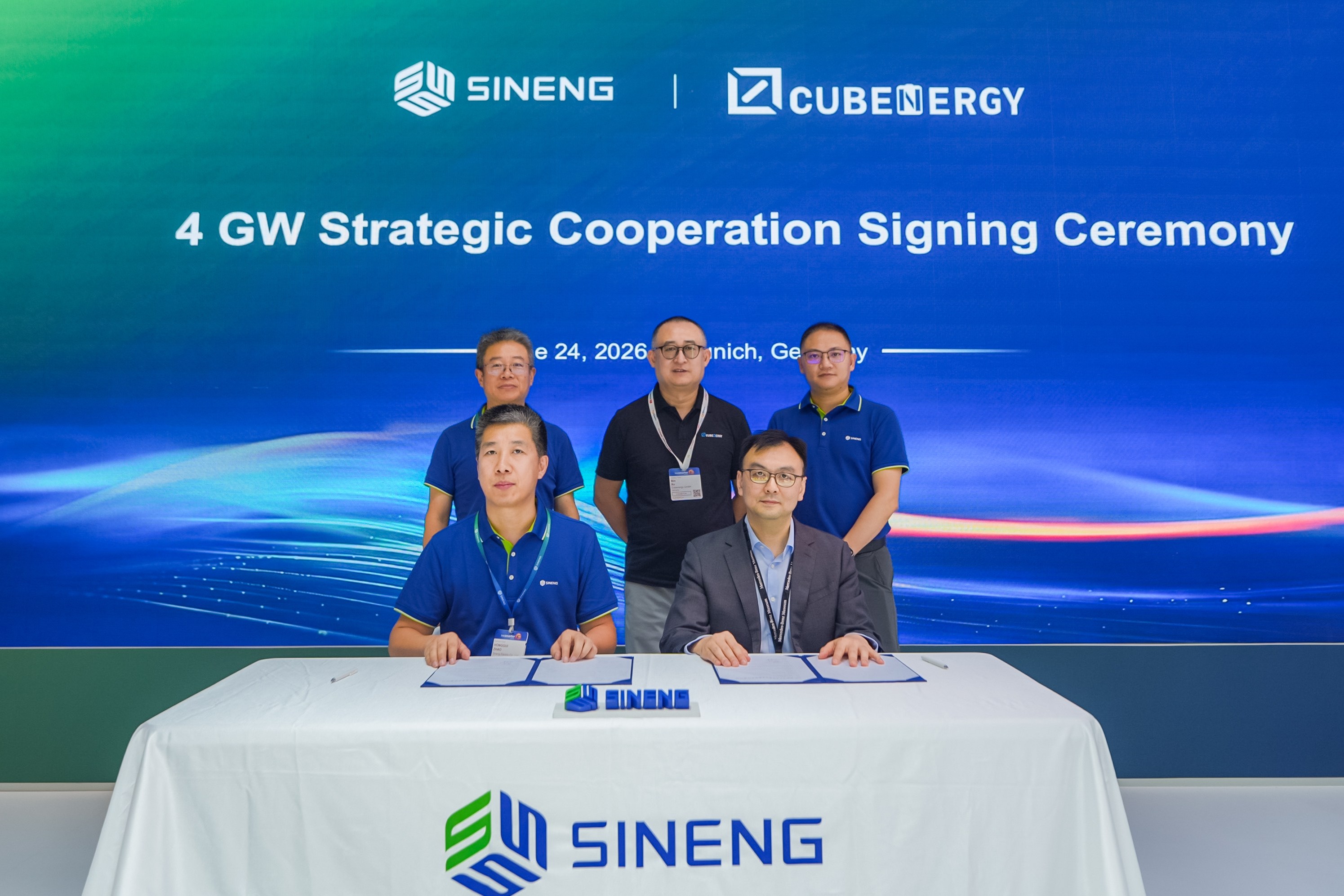
Sineng Electric has signed a 4 GW cooperation agreement with Cubenergy at Intersolar Europe 2026, aimed at enhancing global energy storage deployment.
Why it matters: The era of piecemeal BESS is dying; if you aren't looking at integrated PCS-battery partnerships, you're pricing yourself out of the utility-scale market.
The Integration Trap for European EPCs
Intersolar is the season for 'Mega-MOUs,' but the 4 GW pact between Sineng Electric and Cubenergy shouldn't be dismissed as trade-show theater. This is a strategic hardware consolidation that should put every European project developer on high alert. When a Tier-1 Power Conversion System (PCS) specialist like Sineng locks arms with an integrator like Cubenergy, they aren't just selling boxes; they are building a pre-optimized, high-voltage ecosystem that makes piecemeal procurement look like a liability.
Why the 'Mix-and-Match' Era is Ending
We've all seen projects stall during commissioning because the PCS doesn't speak the same language as the Battery Management System (BMS). By the time you've spent three days on the phone with support lines in different time zones, your commissioning margin has evaporated. This deal signals a shift toward factory-integrated stability. Sineng’s expertise in central PCS solutions, combined with Cubenergy’s containerized storage, targets the utility-scale sweet spot. If you are developing 50MW+ projects in markets like the UK or Italy, you’re no longer just looking for the cheapest LFP cell; you’re looking for a partner who can guarantee 98% uptime without you acting as the middleman engineer.
The Margin Squeeze in the EU
With the EU’s Electricity Market Design (EMD) reform pushing for more flexibility, the BESS race is no longer just about capacity—it's about response time and bankability. Sineng’s move to secure 4 GW of volume gives them the economies of scale to undercut European rivals like SMA or Sungrow on price while maintaining a footprint that bank technical advisors (TAs) can’t ignore. The math is simple: integrated solutions reduce on-site labor costs, which remains the most volatile line item for any German or Dutch installer right now. If your 2026/2027 pipeline doesn't account for this level of vendor consolidation, your O&M forecasts are likely over-optimistic.