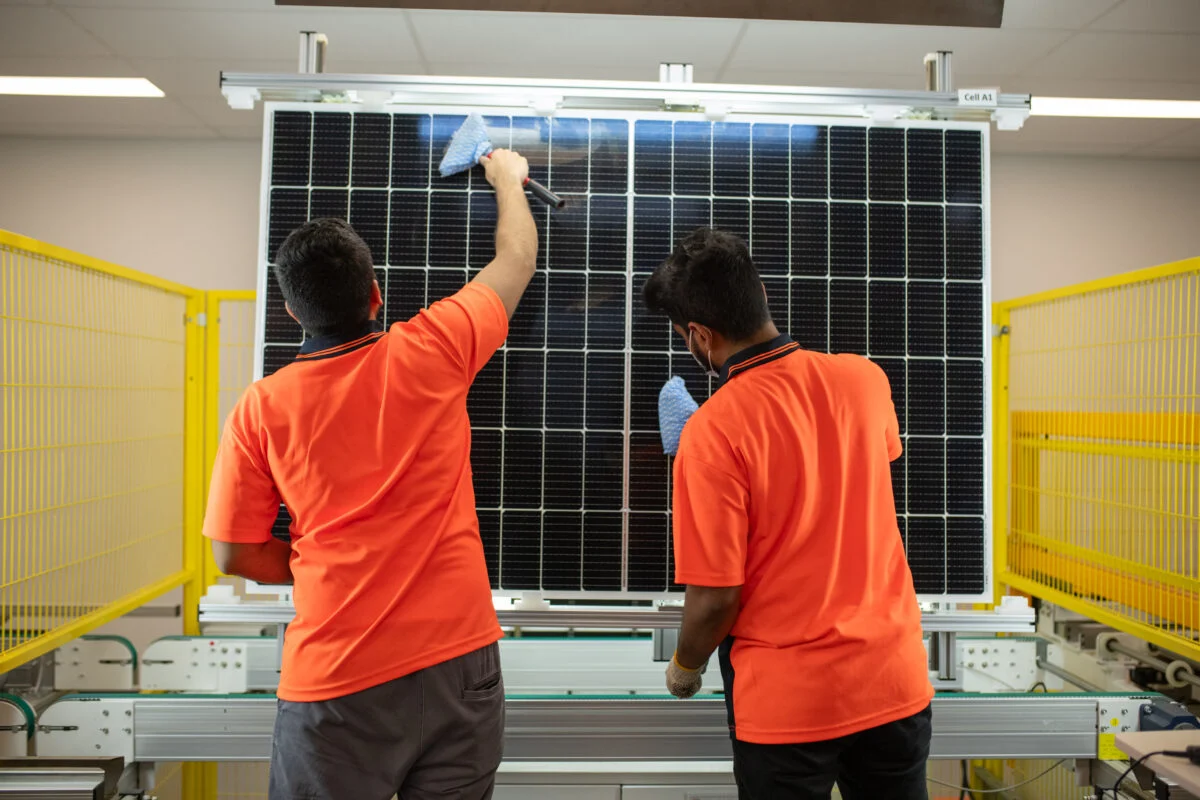
Developing more robust PV module recycling methods in Australia could be of economic benefit to the companies involved in recycling.
Why it matters: Stop treating disposal as an afterthought; EoL costs will eat your O&M margins if you don't price in WEEE compliance and logistics today.
The Australian research community is finally admitting what European EPCs have known for a decade: recycling is only 'economically beneficial' if you find a way to extract the silver and high-purity silicon without burning through your entire O&M budget on logistics. In the EU, the WEEE Directive already mandates a framework, but let’s be honest—most of your 'recycled' modules currently end up as low-grade aggregate or glass cullet worth less than the diesel used to transport them.
The 2030 Tsunami
Australia is our canary in the coal mine. They are hitting the 15-20 year replacement cycle for residential systems faster than most, and their research into 'robust methods' is a desperate attempt to avoid a landfill PR nightmare. For a project developer in Germany or the Netherlands, this isn't about being green; it’s about End-of-Life (EoL) liability. If you’re signing 25-year PPA contracts today, you need to be looking at the recovery technology companies like ROSI Solar in France are developing, which actually targets the silver content—currently valued around €800/kg—rather than the nearly worthless glass.
A Warning for EPCs
If you're an installer, start checking the fine print on your manufacturer warranties regarding disposal responsibility. As the EU tightens Circular Economy regulations, the cost of disposing of those first-gen PERC modules will fall on whoever is left holding the bag. Australia’s push for economic benefit is a signal that the 'trash' in your warehouse might eventually be an asset, but only if you have the volume to justify specialized processing fees. Don't get caught with a warehouse full of glass that has a negative net value.