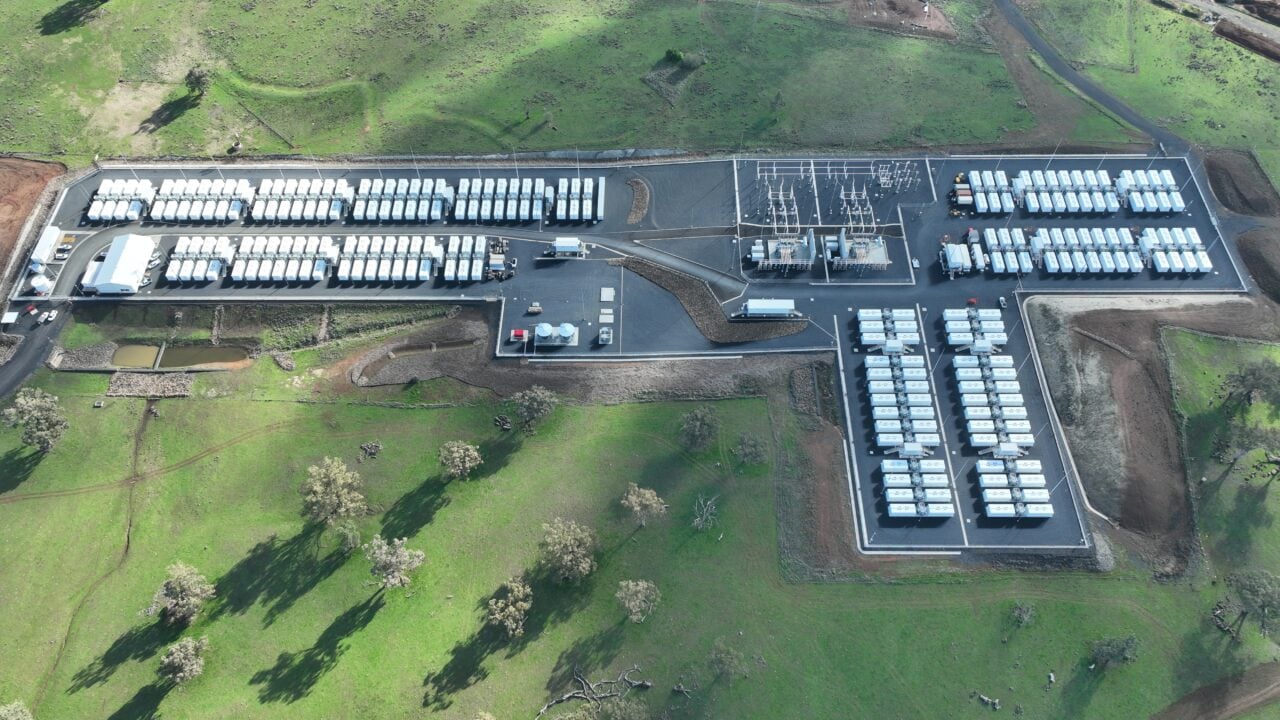
BlackRock-backed developer Akaysha Energy has announced that its 1,660MWh Orana BESS has reached commercial operations in Australia.
Why it matters: The shift from frequency response to 4-hour energy arbitrage is now bankable at a massive scale; ignore this and your long-term PV assets will be cannibalized by midday price crashes.
Stop treating the Australian market like a distant science experiment. The commissioning of Akaysha’s 1,660MWh Orana project isn't just a win for New South Wales; it is a loud, capital-intensive signal to every developer in Europe that the 'solar-plus-nothing' era is officially over. When BlackRock moves this much weight into a single asset, they aren't betting on green energy—they are betting on the absolute destruction of the midday price curve.
The 4-Hour Standard is Coming to the EU
For years, European BESS projects—especially in the UK and Germany—were built for 'ancillary services' (FCR and aFRR). You’d put in a 1-hour battery, chase frequency response pennies, and hope the market didn't saturate. Orana is different. This is a 4-hour duration beast designed for energy arbitrage. In markets like the Netherlands, where negative pricing hours hit record levels in 2023, the 'Orana model' is the only way to protect a PV portfolio’s IRR. If you are still pitching C&I projects in Spain or Italy with 1-hour storage, you are selling your clients a bridge to nowhere.
Why BlackRock is Your New Competitor
Institutional capital has realized that PV modules are now a commodity race to the bottom. The real margin is in the software-defined grid. Akaysha’s success proves that if you can manage the complexity of a 1.6GWh site, you control the local wholesale price. For the medium-sized European EPC, the lesson is clear: start partnering with sophisticated BESS aggregators now. Whether you're using Tesla Megapacks or Sungrow PowerTitans, the hardware is secondary to the trading algorithm. We are moving from a 'build and bolt' industry to a 'build and trade' industry. If your business model doesn't include a strategy for 4-hour discharge cycles, you'll be left picking up the scraps of residential rooftop installs while the big money eats the grid.