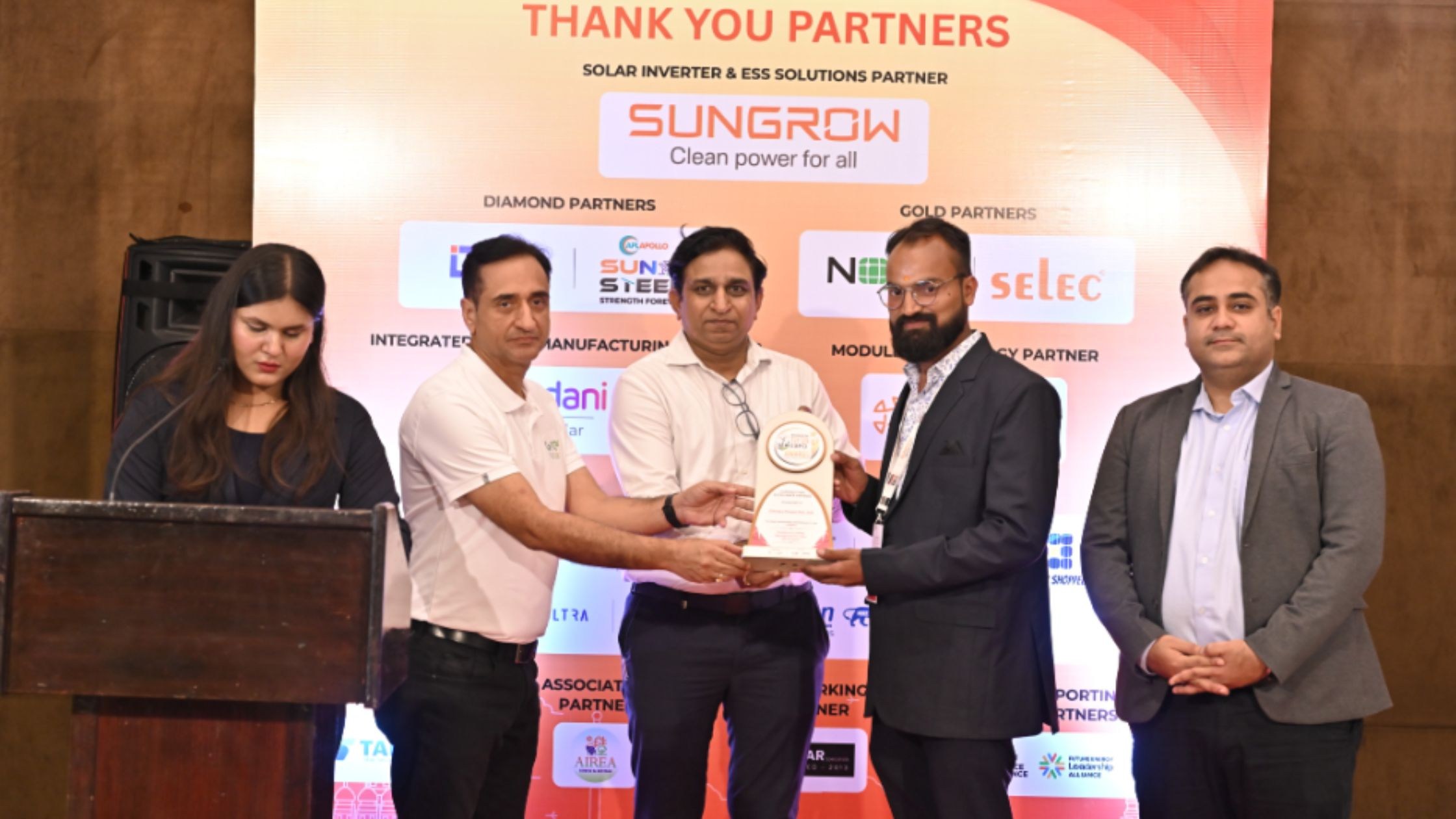
The company leverages advanced technologies and streamlined practices, showcasing dedication to operational excellence and improving industry standards in clean energy.
Why it matters: Efficiency is the only hedge against rising labor costs; if you don't automate your project workflow, you're leaving 15% of your margin on the table.
On the surface, an Indian EPC firm winning an award for "integrated technology" feels like standard PR fluff. But if you're running a C&I installation business in the EU, you should be paying attention to the operational crucible that produces these winners. The Indian market is a high-volume, hyper-competitive, low-margin environment that makes the current German or Dutch market look like a vacation. When a player like Chirayu Power gets recognized for execution efficiency, it’s a signal of the competitive DNA that is coming for European margins.
The Efficiency Gap is Your Biggest Liability
Most European installers are still bogged down by fragmented workflows—using WhatsApp for field communication, Excel for inventory, and manual PDF generation for commissioning reports. This "analogue debt" is sustainable when you're charging a premium. However, as the EU Solar Standard (part of the Energy Performance of Buildings Directive) kicks in, the sheer volume of mandated installs will favor those who have mastered "Integrated Technology Solutions."
The Money Angle: In a market like Spain or Italy, where labor costs are rising and the skilled worker gap is projected to reach 800,000 by 2030 per SolarPower Europe, you cannot solve growth by hiring more people. You solve it by making your existing teams 20% faster. Firms in India are winning awards for this because they had to innovate to survive. If you aren't adopting the same "integrated" stack, you’ll find yourself outbid on every municipal tender by 2027 by firms that have replaced manual oversight with algorithm-driven execution.