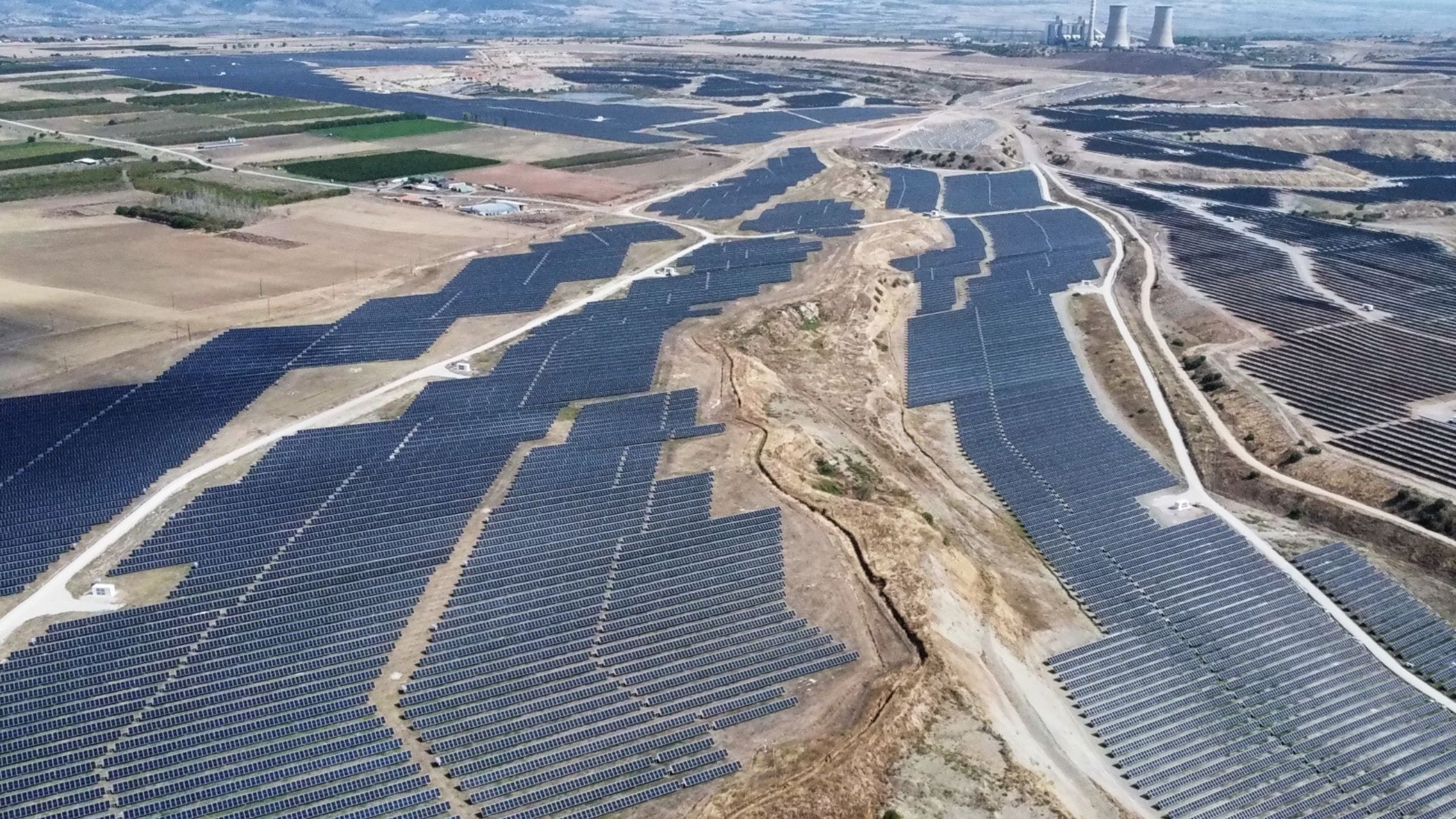
RWE and PPC have launched the last solar farm in a series of nine projects in Western Macedonia, totaling nearly 1 GW capacity. This shift from lignite to renewable energy will supply electricity to around 400,000 households and create jobs.
Why it matters: Mega-portfolios like this drive down midday spot prices in Greece, making battery storage an absolute requirement for all future C&I solar proposals.
METON Energy—the joint venture between RWE and PPC—isn't just building solar; they are executing a textbook maneuver in grid asset dominance. By repurposing the infrastructure of former lignite mines in Western Macedonia, they’ve bypassed the single biggest bottleneck facing European developers today: interconnection wait times. For a developer in the Peloponnese or Central Greece, this 930 MW portfolio is a signal that the "easy" capacity is being gobbled up by incumbents with legacy rights.
The Cannibalization Cliff
While the press release celebrates powering 400,000 households, the reality for commercial and industrial (C&I) installers in Greece is more complex. When you dump nearly 1 GW of production into a market with limited export capacity, the cannibalization effect becomes a fiscal reality. We are already seeing zero-price hours in the Greek day-ahead market during spring and autumn weekends. For an independent installer trying to sell a 500kW rooftop system to a local manufacturer, the ROI calculation just got harder. You can no longer bank on high spot prices during peak sun; you must sell behind-the-meter storage or lose the argument to utility-scale price depression.
The Lignite Legacy Cheat Code
The Western Macedonia transition is a masterclass in strategic pivot. PPC (the incumbent) and RWE are using the Just Transition Fund and existing high-voltage substations to secure a levelized cost of energy (LCOE) that smaller players can't touch. This isn't just "green energy"—it's industrial-scale protectionism. If you're a solar professional in the EU periphery, take note: the future of the market isn't just about who has the cheapest bifacial modules, but who controls the 400kV lines. This 930 MW portfolio effectively locks in a massive chunk of the Greek National Energy and Climate Plan (NECP) targets, leaving scraps for those without "legacy" grid access.