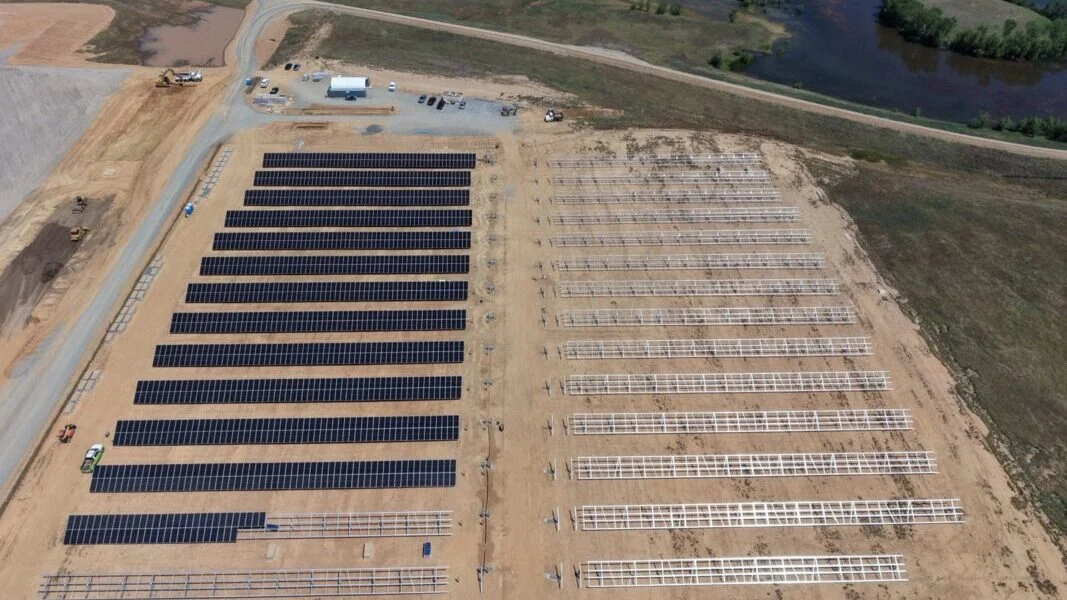
Two recent microgrid projects highlight the expanding role of flow batteries, with Quino Energy deploying organic flow batteries in the Maldives and the Paskenta Band of Nomlaki Indians integrating zinc hybrid cathode storage in Northern California.
Why it matters: Fire safety and long-duration discharge (8h+) are the new battlegrounds for C&I solar—flow batteries are becoming the only viable permitting path for sensitive sites.
While most European installers are busy wrestling with LFP supply chains and falling module prices, these microgrid wins for Quino Energy and zinc-based storage represent a slow-motion pivot in the C&I sector. We’ve been told for a decade that flow batteries are 'five years away,' but the use cases are finally hardening into a bankable reality—specifically where fire safety and duration trump energy density.
The Fire Marshal’s Nightmare
If you’ve tried to permit a 2MWh LFP container in a dense German industrial park or a Dutch port, you know the insurance premiums and fire suppression requirements are becoming a project-killer. Flow batteries, particularly organic ones like Quino’s, are essentially tanks of non-flammable liquid. For a hospital or a school microgrid, that’s not just a technical detail; it’s the difference between getting a permit in three weeks versus eighteen months.
The PFAS Hedge
The organic flow chemistry mentioned here is a direct answer to the EU’s looming PFAS restrictions. Traditional flow systems often relied on membranes or chemicals that are coming under intense regulatory scrutiny. By moving toward organic molecules (quinones), companies are de-risking their 20-year project lifespans from future REACH regulation headaches. If you are pitching a 10-year PPA to a corporate client, you need to prove the tech won't be illegal or unserviceable by 2030.
The 8-Hour Threshold
Let’s be real: for a standard residential 10kW system, flow batteries are a joke. They are bulky and slow. But as the European grid hits higher penetration of renewables, the 4-hour discharge of LFP won't be enough to avoid peak prices. These Maldives and California deployments prove that for 8- to 12-hour discharge cycles, the degradation-free nature of zinc or organic flow is starting to win the LCOE (Levelized Cost of Storage) battle against lithium. Watch Eos Energy or Invinity—if they can scale their manufacturing to match the cost curves of Tier-1 Chinese LFP, the C&I landscape shifts overnight.