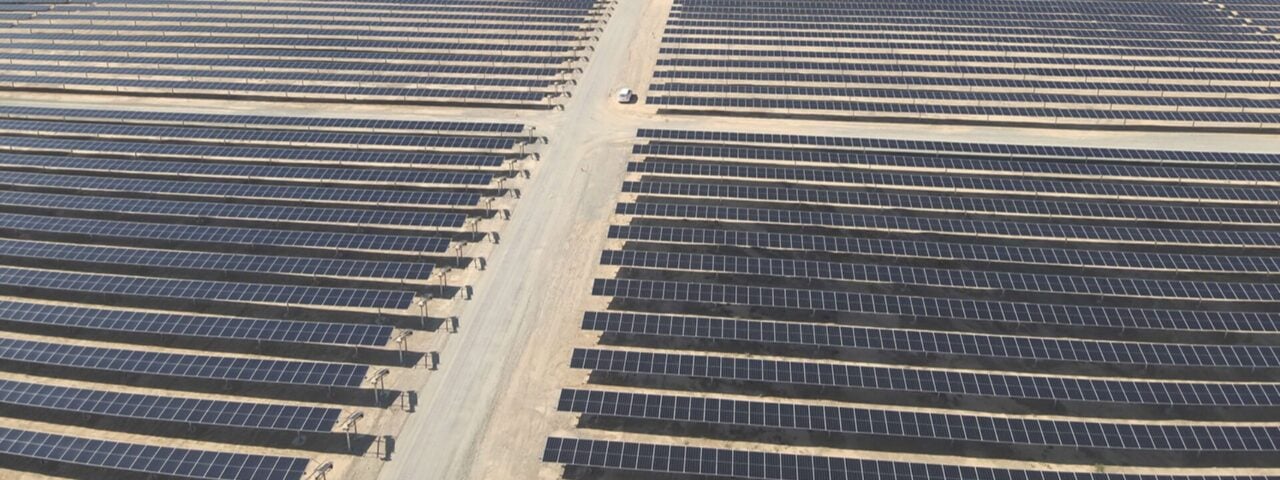
Nama Power and Water Procurement has launched a tender for two utility-scale solar projects in Oman with a combined capacity of 1.5GW.
Why it matters: Oman’s massive procurement scale directly dictates the lead times and unit costs for the high-capacity BESS units you'll need for European grid-firming projects in 2025.
When a Gulf nation drops a 1.5GW tender, European installers usually yawn and mutter about 'subsidized desert land.' That’s a mistake. This Oman tender is a price laboratory for the hardware that will land on your job sites in 2026. Specifically, the 1GW solar-plus-storage component is a massive stress test for the next generation of liquid-cooled BESS containers and high-voltage string inverters.
The Supply Chain 'Sucking Sound'
We are seeing a pivot in the MENA region from pure PV to integrated storage. For a developer in Spain or Greece, this is a warning: when Oman or Saudi Arabia buys, they buy in bulk. This 1.5GW procurement will prioritize Tier-1 manufacturers like Sungrow, Huawei, and CATL. If you’re planning a 20MW C&I project in Europe for Q3 2025, you are competing for the same production slots. A single 1GW award in the Middle East can evaporate the regional inventory of 5MWh battery blocks in a heartbeat.
The LCOE Reality Check
Oman isn't just buying power; they are testing grid-firming at scale. While European projects often get bogged down in permitting and NIMBYism, these desert megaprojects allow manufacturers to prove their 1,500V architectures and bifacial gain assumptions in extreme environments.
Stop looking at Oman as a distant market. Look at it as the place where the equipment you’ll be installing in three years is being debugged today. If the project developers there—likely the usual suspects like ACWA Power or TotalEnergies—struggle with integration, expect those hardware revisions to delay your local EU supply chain.