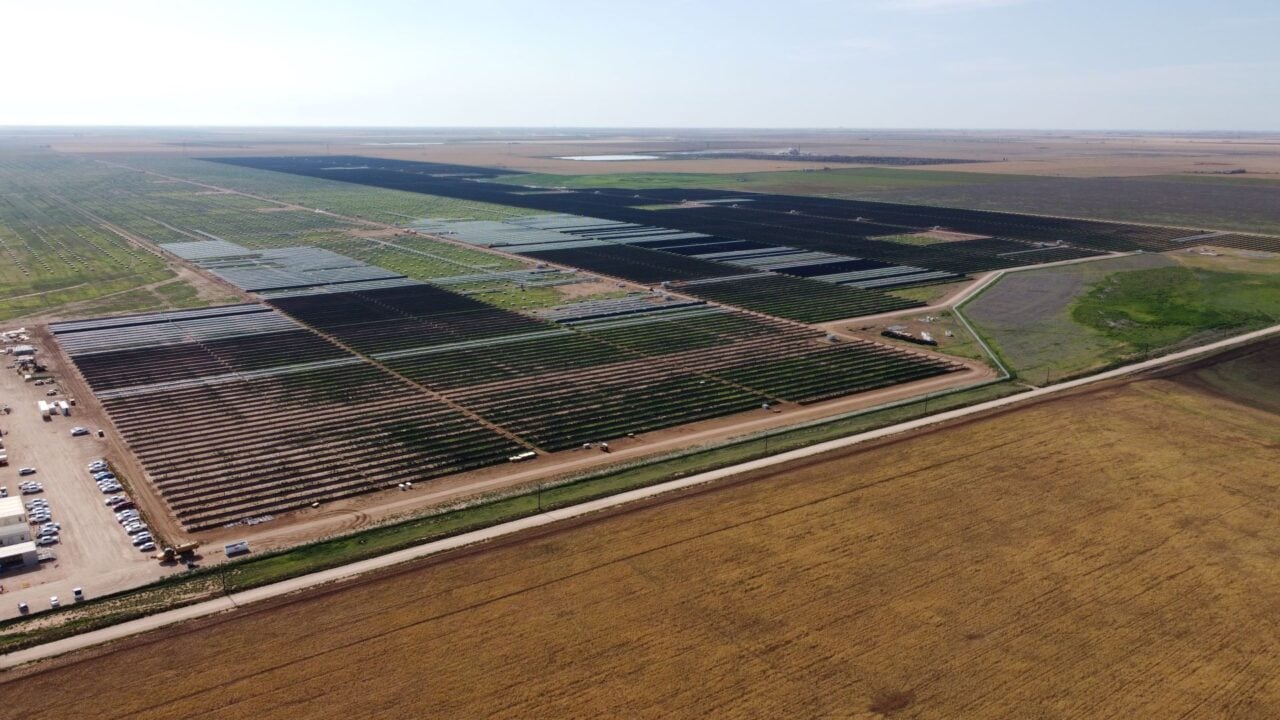
Over US$121 billion of investment across 92GW of renewables projects in the US is at risk from federal scrutiny, according to Wood Mackenzie.
Why it matters: The US permitting logjam will likely divert high-end hardware and institutional capital back to the European market, lowering your procurement costs.
While European developers often look across the Atlantic with envy at the Inflation Reduction Act’s (IRA) bottomless tax credits, this Wood Mackenzie data proves that subsidies are useless if you can’t break ground. A 92GW bottleneck isn’t just a policy failure; it’s a global capital reallocation event. If you are building utility-scale or large C&I in Europe, this US 'red tape' is actually your best friend for the 2025-2026 cycle.
The Global Capital Pivot
Institutional investors like BlackRock and Brookfield hate uncertainty more than they hate low yields. When 30% of a pipeline is 'at risk' due to federal environmental reviews (NEPA), that $121 billion doesn't just sit in a bank account—it looks for safer harbors. As US projects stall, we are seeing a renewed interest in European markets where the Renewable Energy Directive (RED III) is finally forcing member states to implement 'Renewable Acceleration Areas.' If you're a developer in Spain or Poland, you're no longer just competing with the guy down the street; you're competing for global capital that is currently fleeing US bureaucracy.
I’ve seen projects in Brandenburg sit in grid-bottleneck purgatory for four years, but the scale of the US disaster is on another level. This creates a massive hedge for European procurement. When 92GW of demand is effectively frozen, Tier-1 manufacturers like LONGi, Jinko, and Trina suddenly find themselves with surplus inventory originally destined for US shores. This is the moment to squeeze your suppliers.