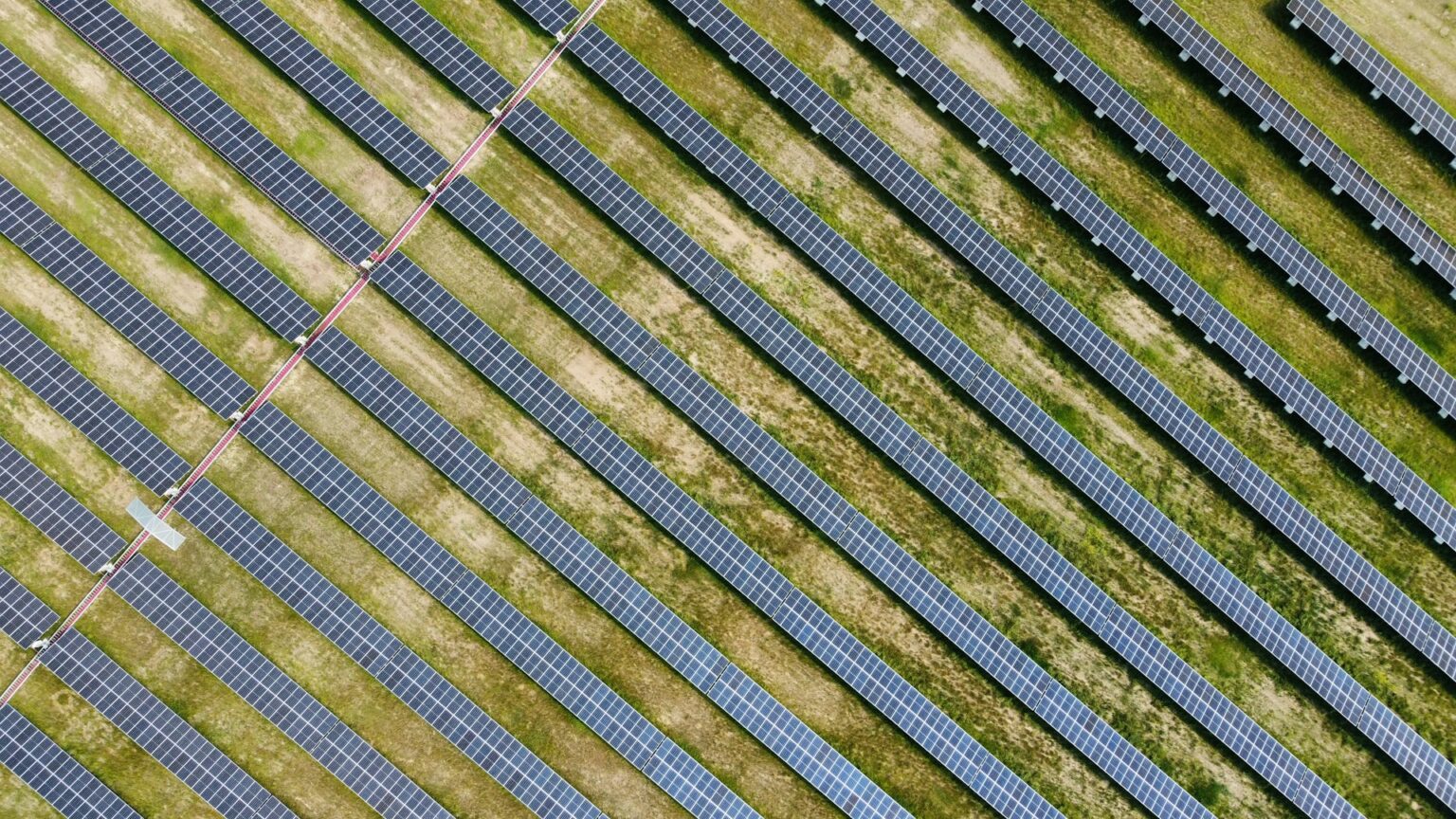
La Gerencia de la Empresa Municipal de Aguas y Saneamiento de Murcia ha licitado las obras por 259.780 euros. En esta fase se unificará la instalación flotante existente de 300 kW con los nuevos 100 kW.
Why it matters: Scaling existing floating PV is a liability minefield; don't let the high tender price lure you into an expensive maintenance trap.
The Hidden Cost of Hybridizing Floating Assets
On paper, €259,780 for a 100 kW addition looks like a daylight robbery—over €2.50 per watt. In a Spanish market where utility-scale is sub-€0.80 and standard C&I is regularly under €1.00, EMUASA’s tender in Murcia should raise eyebrows. But look closer: this isn't a simple bolt-on. It’s a 'unification' project involving existing 300 kW floating infrastructure and rooftop assets.
For the experienced installer, this is a masterclass in why you shouldn't bid on expansion tenders without a grueling site audit. Floating PV is the industry's temperamental child. You're dealing with varying mooring tensions, cable management across moving bodies of water, and the nightmare of matching new inverter strings to an aging legacy system. If you're trying to sync new Huawei or Sungrow string inverters with older tech, the integration logic and communication protocols will eat your margin before the first panel is even mounted.
Why the High Price Tag is a Warning, Not a Gift
If you're bidding on this, your contingency budget needs to be at least 20%. The high price reflects the 'headache tax' of fixing someone else's old floating experiment.