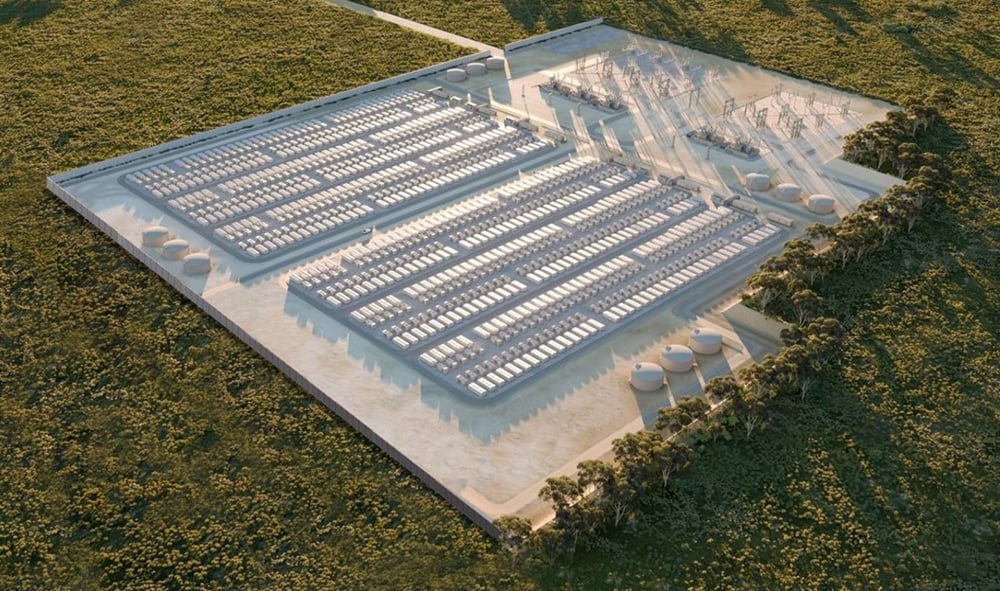
Samsung C&T Renewable Energy Australia has submitted the 600MWh Comet Park BESS for federal environmental assessment under the EPBC Act.
Why it matters: Massive global projects like Comet Park are tightening the LFP supply chain—expect your 2025 BESS lead times to reflect this industrial-scale demand.
The Samsung Pivot: From Sub-Contractor to Asset Owner
If you still think of Samsung C&T as the guys who show up to do the civil works on someone else’s site, you’re living in 2018. The submission of the 600MWh Comet Park BESS for environmental assessment is a clear signal: the Korean giant is aggressively hunting for ownership of the 'flexibility' layer of the global grid. For the European developer, this isn't just news from the Antipodes; it’s a preview of the competitive landscape for 2025 and beyond.
The Supply Chain Squeeze
Why should a developer in the Netherlands or Spain care about a project in Australia? Because 600MWh isn't a rounding error. It represents roughly 1.5 million individual 280Ah LFP cells. When entities with the balance sheet of Samsung C&T move into the 'Mega-Scale' storage space, they don't buy off the shelf; they lock up production lines at CATL or BYD for eighteen months. If you’re struggling to get firm pricing on a 5MW C&I project in Germany, this is why. The big fish are eating the entire pond.
The Revenue Stacking Blueprint
Australia is currently the world’s most advanced laboratory for BESS revenue stacking—mixing FCAS (Frequency Control Ancillary Services) with wholesale arbitrage. We are seeing the same regulatory DNA starting to appear in the EU’s Electricity Market Design (EMD) reforms. Samsung isn't just building a battery; they are building a software-defined power plant. The lesson: If you aren't talking to your C&I clients about automated trading and grid services, you aren't selling a modern PV system—you're selling a museum piece.