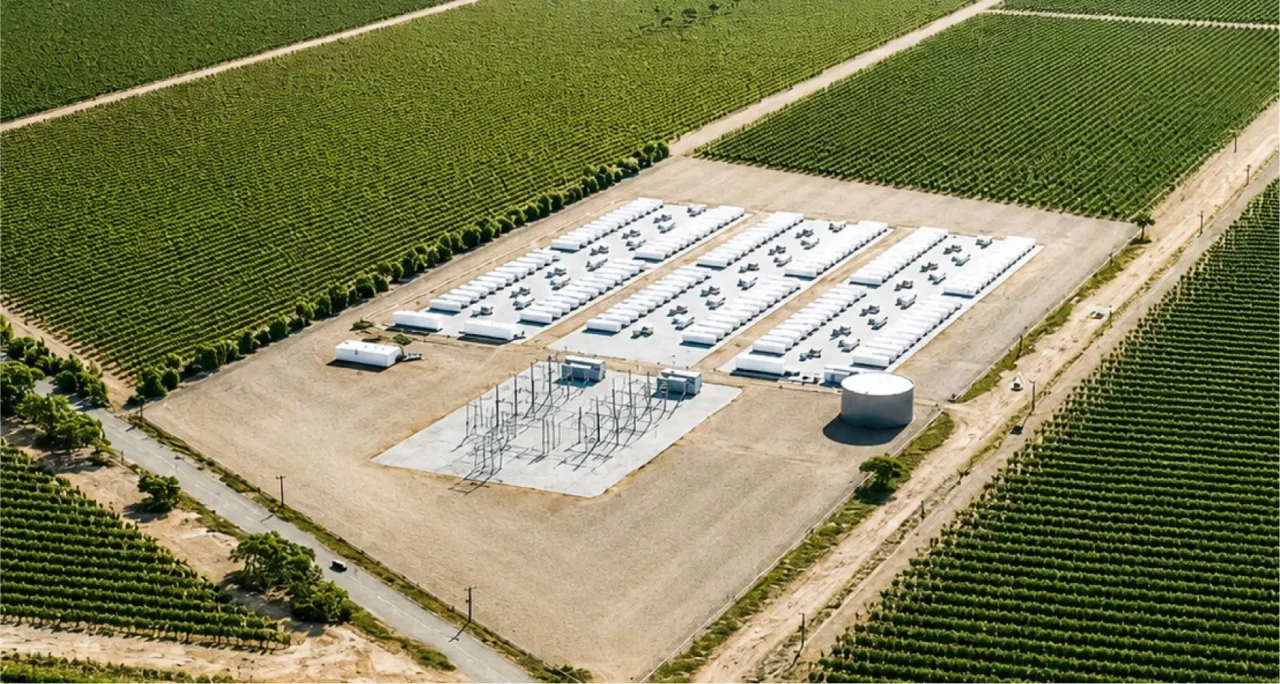
Firmus Technologies has signed a 12-year wholesale energy supply agreement with Gunvor Group, including 1.2GW of renewables by 2032.
Why it matters: AI isn't just a buzzword; it's the only client capable of absorbing the massive solar capacity needed to keep your PPA margins from hitting zero.
If you’re still hunting for 100kW rooftop projects while ignoring the AI-fueled data center land grab, you’re playing the wrong game. Firmus just locked in 1.2GW in South Australia—a region that, like the Netherlands or parts of Spain, is currently choking on its own midday solar success. This isn't just a big PPA; it’s a structural shift in how we finance PV in high-penetration markets.
The Synthetic Baseload Strategy
In South Australia, midday prices are frequently hitting the floor. For a developer, a merchant solar project is now a suicide mission. By tethering 1.2GW of renewables directly to AI factory campuses, Firmus and Gunvor are effectively bypassing the traditional volatility of the wholesale market. They aren't just buying green energy; they are creating a synthetic baseload demand that justifies the CAPEX for new solar capacity that the grid otherwise couldn't swallow.
The European Pivot: We are seeing the same blueprint emerge here. Look at the Dutch grid congestion crisis. If you want to build a utility-scale plant in North Holland today, TenneT will likely tell you to wait until 2030. But, if you bundle that solar with a local data center or a large-scale electrolyzer—mirroring the Firmus model—the project suddenly becomes bankable. The EU’s Energy Efficiency Directive (EED) now mandates that data centers over 500kW report their energy performance. This isn't red tape; it’s a pre-qualified sales lead for every developer reading this.
Gunvor’s involvement is the real tell. When one of the world's largest commodity traders signs a 12-year wholesale agreement for renewables, they are betting that the spread between "cheap midday solar" and "expensive AI uptime" is the most profitable trade of the decade. If you aren't positioning your pipeline to serve these high-density loads, you'll be left fighting for crumbs in a market of cannibalized prices.