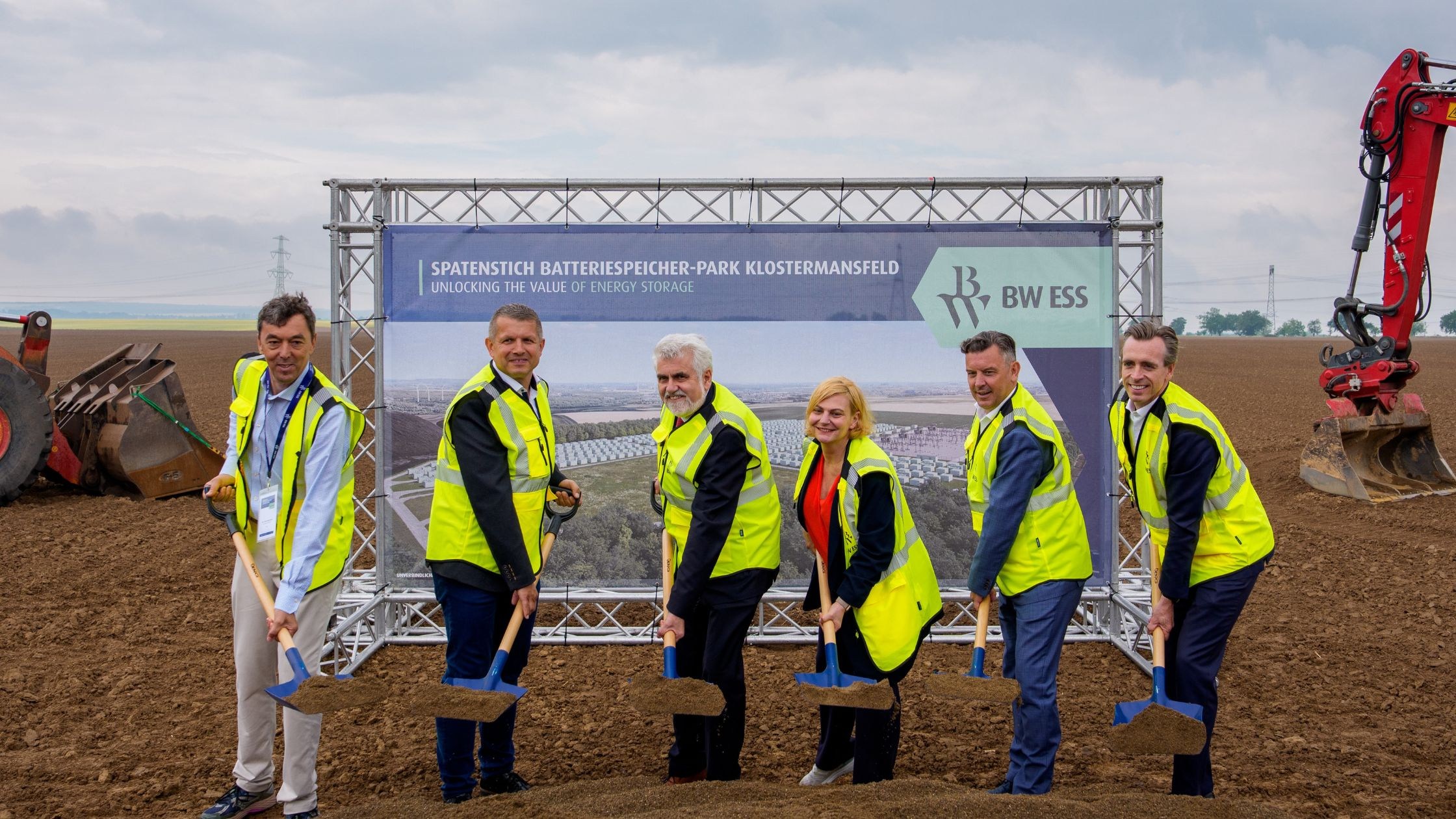
BW ESS has begun construction on Germany's largest battery energy storage system, the 1,000MW/5,700MWh Klostermansfeld BESS in Saxony-Anhalt.
Why it matters: Massive utility storage will flatten price volatility, meaning your C&I clients need longer-duration batteries to make the math work on energy arbitrage.
The headline-grabbing number here isn't the 1GW of power; it’s the 5.7GWh of capacity. For years, the German BESS market has been dominated by 'power' batteries—fast-reacting, 1-hour systems designed to scalp FCR (Frequency Containment Reserve) profits. This project by BW ESS signals the definitive pivot to 'energy' batteries. At a nearly 6-hour duration, this isn't a grid stabilizer; it’s a massive shift-bucket for moving solar and wind from the midday glut to the evening peak.
The Arbitrage Cannibalization
If you are a project developer in Germany, particularly in the 50Hertz control area, take note. Projects of this scale are designed to flatten the duck curve. When 5.7GWh of capacity starts soaking up negative-priced power and spitting it back out at 7:00 PM, the price volatility that makes smaller C&I storage attractive starts to shrink. If your ROI models for 500kW systems still rely on 2023-style price spreads, you're in for a rude awakening when this comes online.
For the installers: stop selling batteries as just 'backup.' Start talking about wholesale price immunity. As these massive projects stabilize the macro-grid, the local grid fee savings and self-consumption optimization will be the only reliable margins left for smaller players.