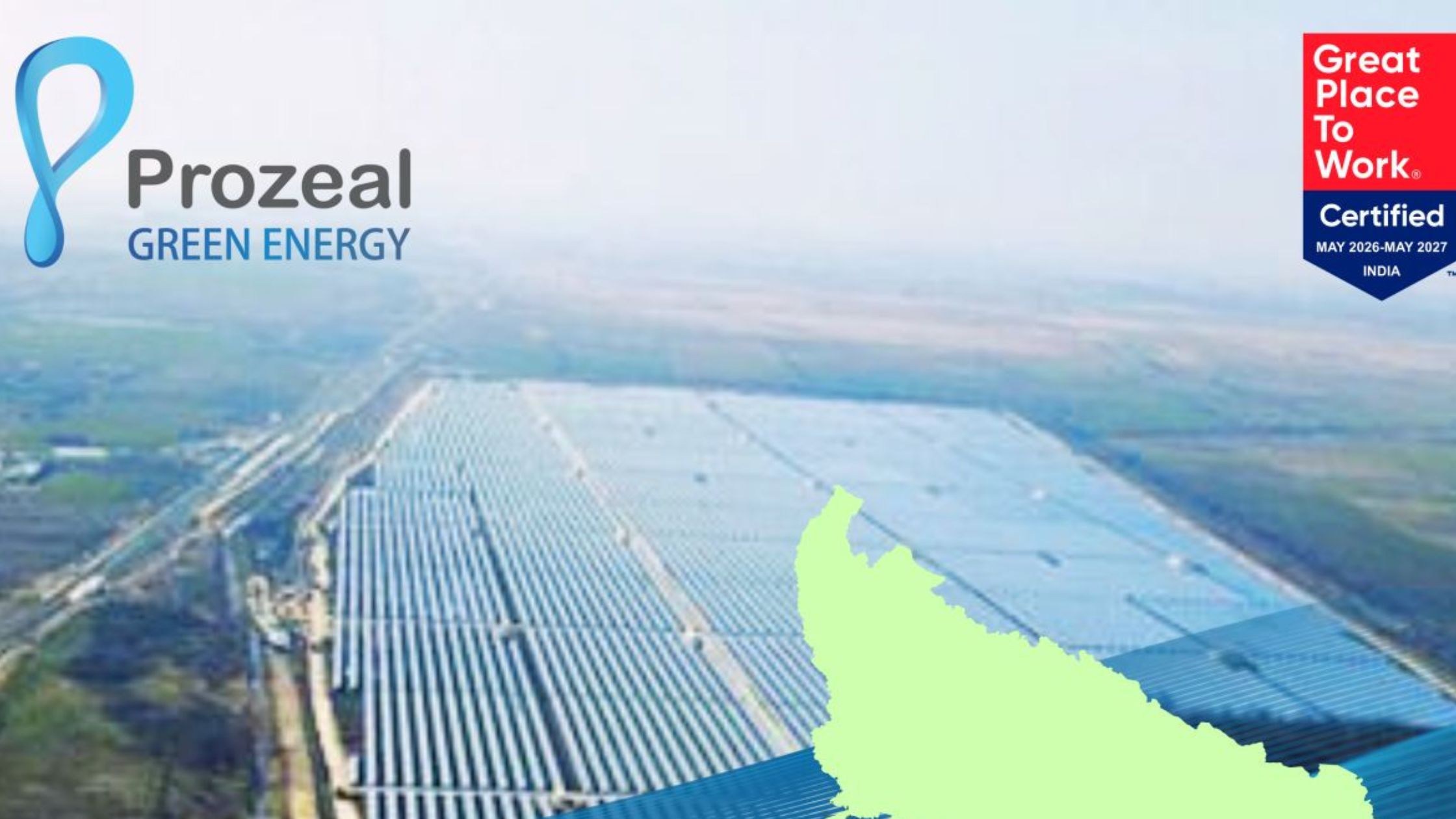
Prozeal Green Energy Limited is expanding into Uttar Pradesh with a 60 MWp solar power project in collaboration with a major steel and mining company.
Why it matters: Global industrial competitors are using captive solar to lower carbon intensity and bypass EU import taxes—your C&I clients need to do the same to stay alive.
While 60 MWp might look like a standard utility-scale blip on the radar, the "captive" nature of this Prozeal project in Uttar Pradesh is what should make European C&I developers sit up. In the Indian context, captive power means the industrial consumer owns at least 26% of the project and consumes 51% of the energy. It is a direct bypass of the state’s unreliable and expensive grid—a move we are seeing mirrored across the German Mittelstand and Italian manufacturing hubs.
The CBAM Factor
There is a straight line between this project in India and the competitive pressure on European steel. Under the EU’s Carbon Border Adjustment Mechanism (CBAM), which entered its transitional phase in October 2023, the embedded emissions of imported steel are under the microscope. By securing 60 MWp of dedicated solar, this unnamed Indian steel giant is aggressively lowering its carbon footprint to dodge future EU carbon taxes. If you are an installer in Europe’s industrial heartlands, your pitch to local manufacturers shouldn't just be about energy savings; it’s about export survival.
The "Captive" Blueprint for Europe
We’ve seen this pattern before: heavy industry moves faster than regulation. While EU developers often get bogged down in PPA negotiations with third-party off-takers, the Indian model of "captive" ownership offers a cleaner ROI for the end-user. For a steel mill, the volatility of the spot market is a bigger threat than the upfront CAPEX of a PV plant. We are reaching a point where Levelized Cost of Electricity (LCOE) from onsite solar is significantly lower than industrial retail rates in almost every EU member state, yet many European firms still treat PV as a sustainability "add-on" rather than a core procurement strategy.
The takeaway for the field: If you aren't talking to your C&I clients about how solar protects their export margins against low-carbon competitors from abroad, you’re leaving the most compelling part of the business case on the table.