The order, effective from June 30, 2026, adjusts previously approved capital costs and annual charges for 2019-29, facilitating cost recovery and enhancing renewable energy infrastructure in India.
Why it matters: Grid certainty is the only real hedge against curtailment; if your operator can't recover costs, your 500MW project is just an expensive lawn ornament.
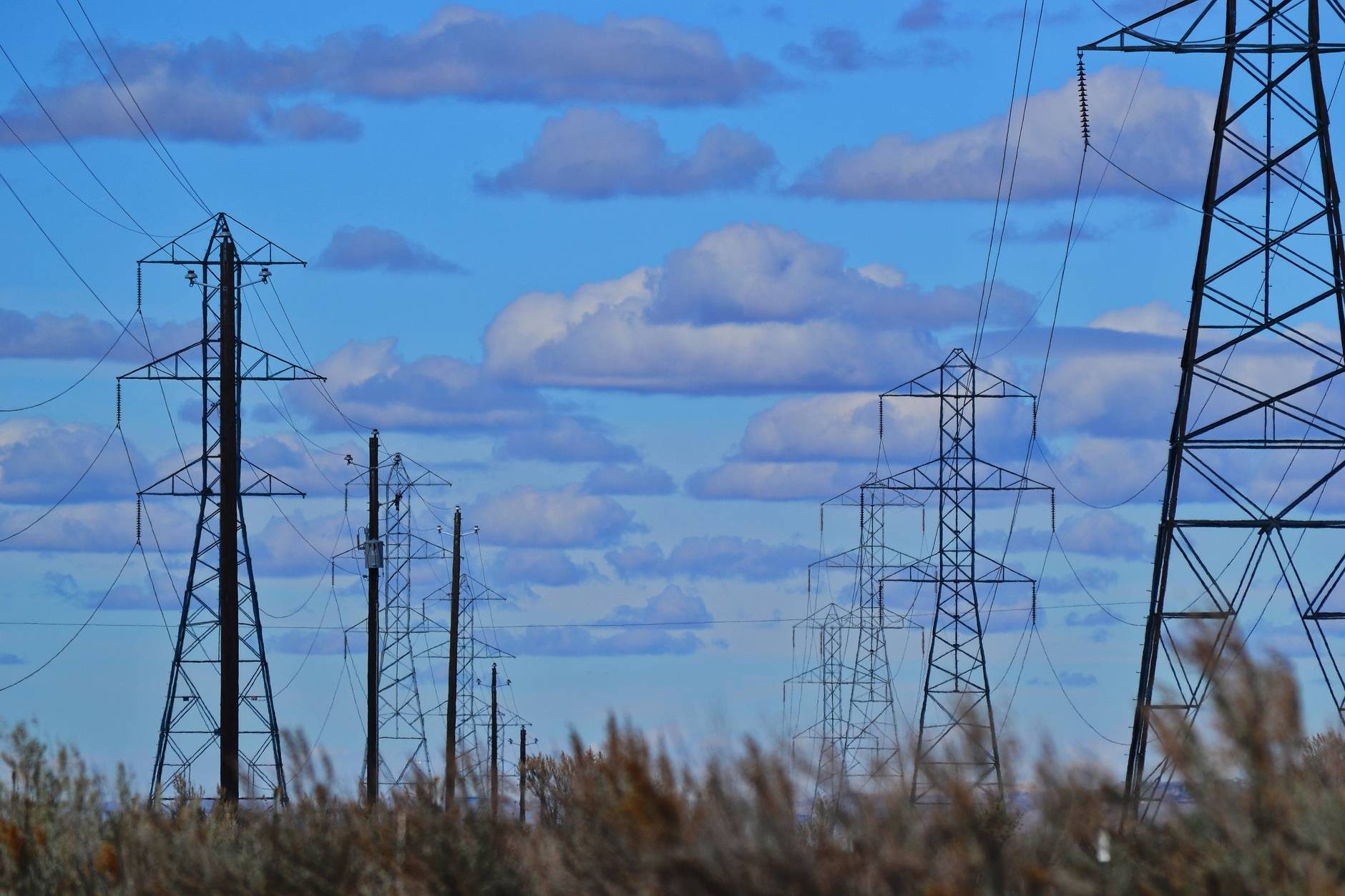
While most European installers are focused on the roof over their heads, the real battle for solar’s future is being fought in the transformer stations. India’s CERC (Central Electricity Regulatory Commission) just handed Power Grid Corporation of India Limited (PGCIL) a lifeline by acknowledging a truth European regulators often ignore: grid infrastructure costs are not static. By revising tariffs for the Green Energy Corridors (GEC), they are ensuring the grid operator doesn't go underwater while trying to connect the next 100GW of renewables.
The Revenue Gap Strategy
In Europe, we are currently seeing a massive disconnect between the CAPEX needed for grid upgrades and the regulatory mechanisms to pay for them. Look at the Netherlands, where TenneT is struggling with a grid so congested that new commercial connections are virtually frozen. The CERC ruling is a market signal analysis: it proves that for 'Green Corridors' to actually work, the regulator must allow for cost recovery adjustments across a decade-long horizon (2019-2029). If the operator can't recoup the cost of a 765kV line, they won't build it, and your project stays in the interconnection queue forever.
Why EU Developers Should Care
The bottom line: Without cost-plus or revised tariff structures, the 'Green Energy Corridors' in Europe will remain nothing more than lines on a map. India is moving faster than us because they’ve realized the math must work for the grid operator, not just the solar farm owner.