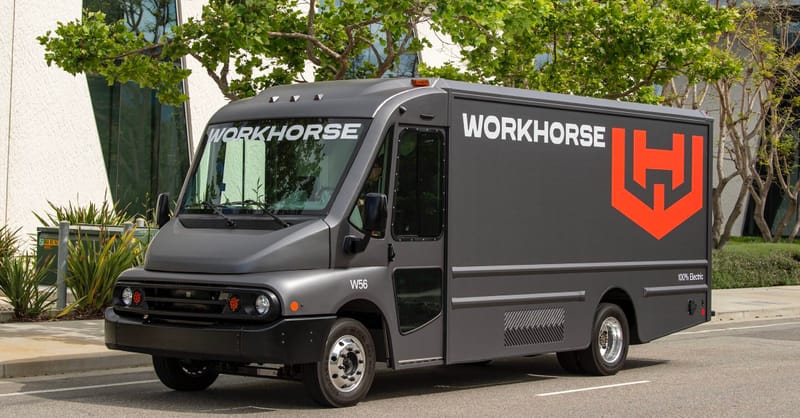
The fuel price spike triggered by the Iran war has made it clear just how much cheaper it can be to move freight with trucks that run on electricity instead of gasoline or diesel.
Why it matters: Logistics firms are desperate to de-risk fuel costs; if you aren't pitching 'Solar-to-Truck' depot solutions, you're leaving the biggest C&I margins on the table.
The 'Depot Charging' Gold Mine
Every time the Middle East catches fire and diesel prices at the pump in Germany or France creep toward €2.00, your C&I (Commercial & Industrial) pipeline should be exploding. This isn't about saving the planet; it's about logistics firms protecting their razor-thin margins from geopolitical volatility. When a fleet manager looks at a Scania 45 R or a Volvo FH Electric, they aren't just buying a truck—they are buying a massive, mobile battery that needs a cheap, reliable fuel source. That source is the roof of their warehouse.
The Math of the 'Fuel Hedge'
A typical heavy-duty e-truck consumes roughly 1.3 to 1.5 kWh per kilometer. For a fleet of 20 trucks covering 300km a day, we're talking about a daily demand of nearly 9 MWh. In the Netherlands or Poland, trying to pull that much juice from a congested grid is a fool's errand—you'll be waiting three years for a transformer upgrade. This is where the 'Solar + BESS + MCS' (Megawatt Charging System) pitch becomes unbeatable. By installing a 1.5MWp rooftop array coupled with a containerized battery solution, you’re offering these firms a fixed LCOE for their 'fuel' over 25 years. Try getting that deal from Shell or Aral.
Why AFIR is Your Secret Weapon
The EU’s Alternative Fuels Infrastructure Regulation (AFIR) is mandating charging hubs for heavy vehicles every 60km along the TEN-T core network. This creates a mandatory market. If you are still pitching simple net-metering residential systems, you are missing the biggest structural shift in European energy. The real money is in integrated energy management systems (EMS) that balance high-power truck charging with onsite solar generation to avoid peak shaving penalties. It’s complex, high-margin work that differentiates the engineering pros from the panel-slappers.