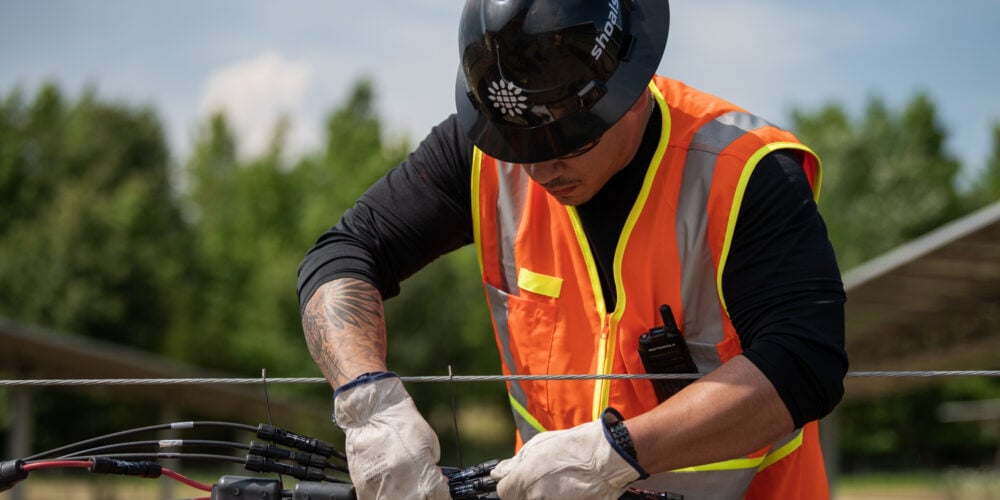
The US ITC has found North Carolina-based Voltage Energy in violation of two patents owned by Tennessee-based eBOS manufacturer Shoals.
Why it matters: IP litigation has moved from module tech to the wiring; choosing a 'budget' trunk bus clone could leave your utility-scale project legally stranded and unmaintainable.
For years, European EPCs and installers have treated the electrical balance of systems (eBOS) as 'dumb copper'—a commodity where you simply buy from the lowest bidder. This ITC ruling against Voltage Energy is a bucket of cold water for that mindset. Shoals isn't just defending a piece of plastic or a connector; they are defending the intellectual property behind Big Lead Assembly (BLA), the architecture that is rapidly replacing traditional combiner boxes in utility-scale projects from Extremadura to Brandenburg.
The High Cost of 'Cheap' Clones
If you’re a developer in the Netherlands or Poland looking at a 50MW+ project, the allure of a trunk bus system is obvious: it can slash on-site labor costs by up to 25% by moving the 'wiring' into a controlled factory environment. But this ruling highlights a massive tail risk. When a patent holder like Shoals wins an ITC exclusion order, it’s not just a fine for the manufacturer. It can mean an absolute halt on imports. If you’ve designed your project around a specific vendor’s trunk bus geometry to save €0.02/W, and that vendor gets hit with an injunction, your construction timeline doesn't just slip—it collapses.
Why European Installers Should Care
While this specific case is US-based, Shoals is aggressively expanding its footprint in the EMEA region. We’ve seen this movie before in the module space (think Hanwha Qcells vs. LONGi/Jinko). When a dominant player secures a legal win in one jurisdiction, they weaponize those same patents in European courts to clear the field. If you are sourcing eBOS components that look suspiciously like Shoals’ BLA architecture but lack the sticker price or the licensing, you aren't just saving money—you’re absorbing their legal liability.
The technical reality: Trunk bus systems are more than just wires; they involve specific overmolding techniques and fuse integrations that Shoals has spent millions to protect. As we shift toward higher-voltage systems (1500V is now the floor), the complexity of these components increases. Don't get caught with 'orphaned' hardware that no one will support because the manufacturer was sued out of existence.