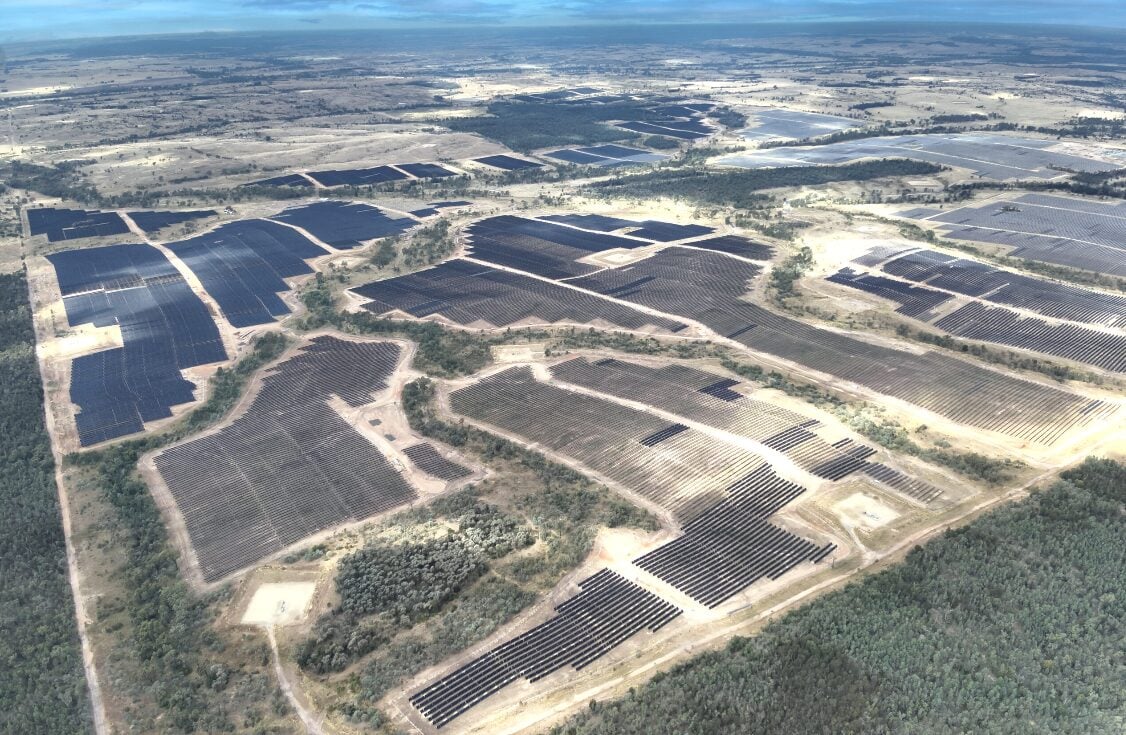
Vena Energy has raised A$1.4 billion (US$970 million) to support 614MW of solar PV capacity and 1,141MWh of BESS in Australia.
Why it matters: If you aren't designing BESS into your utility-scale pipeline today, you're building a stranded asset that will be eaten alive by price cannibalization within five years.
Look at the ratio. Vena Energy isn't just "adding a battery" to their 614MW solar portfolio; they are building a 1.1GWh storage powerhouse that happens to have some panels attached. In Australia’s National Electricity Market (NEM), the "Duck Curve" has become a "Dead Duck" for any developer without storage, as midday prices frequently hit the floor—or go negative. For those of us in the European utility-scale space, specifically in markets like Spain, Greece, or Poland, this isn't a distant curiosity. It’s a roadmap for survival.
The Merchant Risk Mirage
European developers still cling to the hope that 10-year PPAs will shield them from price cannibalization. They won’t. When the sun shines from Seville to Stuttgart, the market price collapses. Vena’s $970 million financing—backed by heavyweights like BNP Paribas and DBS—signals that the big money has stopped betting on "pure-play" solar. If your project doesn't have a BESS component that can shift at least 2 hours of peak production, your IRR is a work of fiction. Banks are no longer interested in the "set and forget" solar model; they want flexible assets that can play the frequency response and arbitrage markets.
A Lesson in Flexibility
The Australian market is a brutal teacher. We are seeing identical patterns emerge in the Netherlands, where grid congestion is so severe that TenneT is practically begging for flexibility. If you are an EPC or a developer today, and you aren't spec'ing your medium-voltage stations for future BESS integration—think SMA’s latest grid-forming inverters or Huawei’s modular storage blocks—you are building stranded assets. Vena’s move proves that the transition from "generator" to "energy orchestrator" is where the bankability lies.