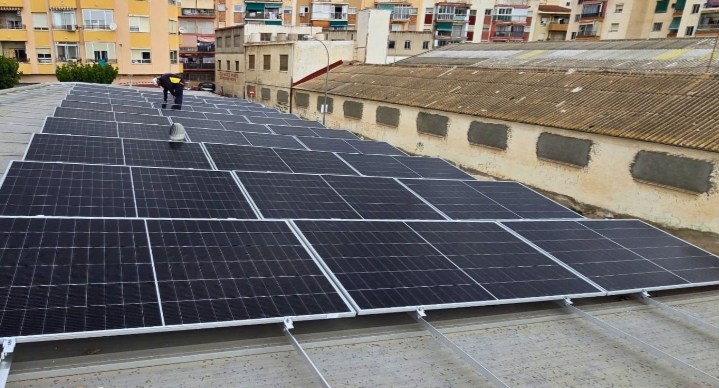
El Ayuntamiento de Villajoyosa ha ejecutado las instalaciones en el Mercat Municipal, el polideportivo Marta Baldó, el polideportivo La Torreta, el CEIP Doctor Álvaro Esquerdo y el CEE Secanet.
Why it matters: Collective self-consumption is the highest-growth niche in Spain; master the 'coeficientes de reparto' now or get sidelined by developers who actually understand the 2km rule.
On paper, 265 kW across five municipal buildings in Alicante sounds like a standard Tuesday for any decent EPC. But in the context of Spanish Autoconsumo Colectivo (CSC), this is a bureaucratic marathon that Villajoyosa actually finished. For those of us in the trenches, we know the real story isn't the Tier 1 modules or the string inverters; it's the war of attrition with distributors like i-DE (Iberdrola) to get these systems legalized and the coefficients of sharing (coeficientes de reparto) actually implemented.
The 2,000-Meter Opportunity
Since the regulatory shift expanding the radius for collective self-consumption to 2,000 meters for rooftop installations, the game has changed for C&I installers in Spain. You are no longer just selling a PV system to a single meter; you are selling a local energy network. If you aren't pitching municipalities on connecting their schools, sports centers, and markets under a single collective agreement (RD 244/2019), you are leaving the highest-margin public contracts to competitors who aren't afraid of the paperwork.
Villajoyosa’s project proves that despite the legendary sluggishness of Spanish administrative procedures, the 'Energy Community' model is maturing. For a solar business, these aren't just projects; they are long-term O&M anchors. When you link five public buildings together, you aren't just an installer anymore—you’re the town’s de facto energy consultant.