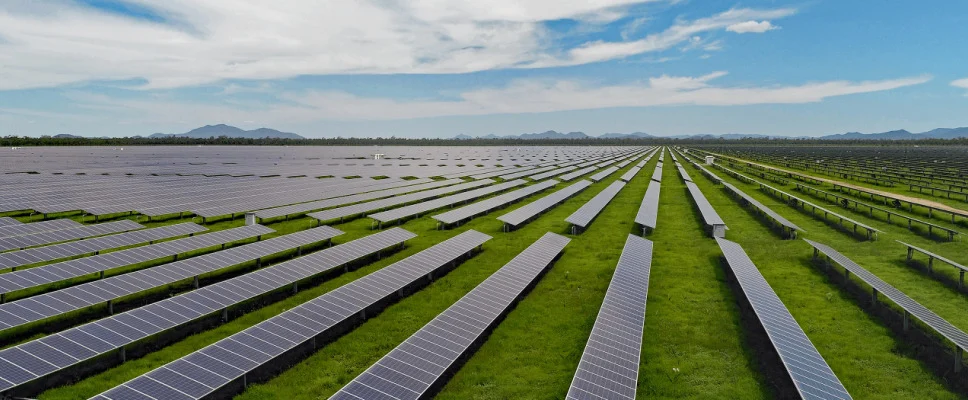
Australia's utility-scale solar PV and wind assets generated a combined 4.73TWh in June, an 11% YoY increase, according to Rystad Energy.
Why it matters: Australia's grid is breaking under its own success; if your EU project doesn't account for negative pricing and storage, you're building a stranded asset.
Australia is essentially a time machine for the European solar market. While an 11% year-on-year jump to 4.73TWh sounds like a victory lap for Rystad’s data points, it’s actually a stress test for the Australian Energy Market Operator (AEMO) that every Spanish or Dutch developer should be watching with a cold sweat. Australia is grappling with the 'Solar Duck Curve' on steroids, and their winter performance (June) is a harbinger of the price cannibalization we’re starting to see in the EU.
The Curtailment Cliff
What the headline doesn't tell you is how much of that 11% growth was forcibly throttled. In markets like South Australia, we’ve seen rooftop and utility solar combined push net demand below zero. For a developer in Germany or Poland, the lesson isn't "build more"; it's "build smarter." If your project relies on a 20-year PPA without a robust battery energy storage system (BESS) strategy, you’re basically betting your LCOE on a miracle. Companies like Neoen are already showing the way in Australia by pairing massive solar arrays with Tesla Megapacks—not for the green credentials, but because the merchant market will eat you alive otherwise.
We are seeing the same pattern in Spain (REE data) where negative pricing hours are no longer an anomaly but a seasonal feature. When Australia adds capacity, they are forced to innovate on grid-forming inverters and synchronous condensers just to keep the lights on. If you are still selling "solar-only" to C&I clients in the Netherlands, you are selling them a depreciating asset that might be disconnected when the sun is brightest.