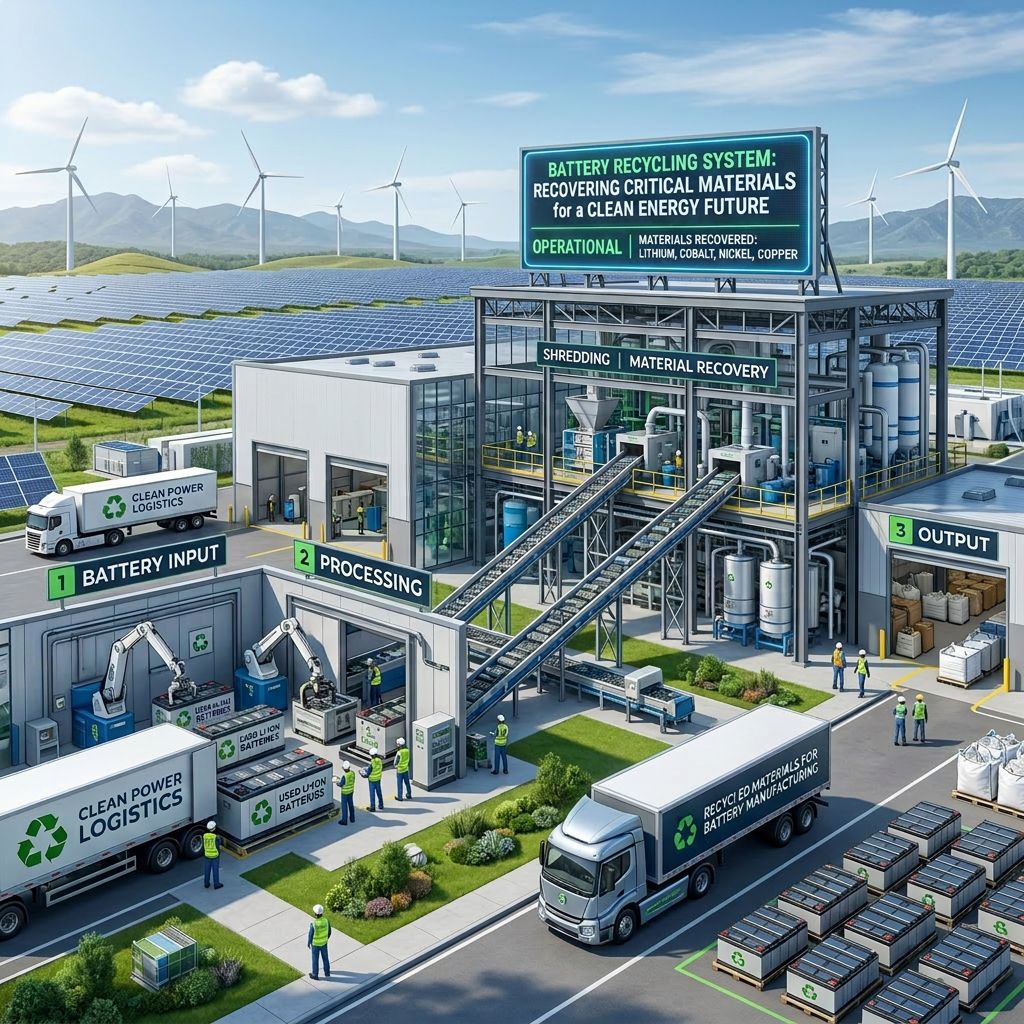
It advocates a circular battery economy to optimize resource recovery, reduce environmental harm, and improve energy security, while highlighting the current lag in recycling infrastructure.
Why it matters: The 'install and forget' era ends with the EU Battery Regulation; if your supplier lacks a clear recycling path, the disposal costs will eventually land on your doorstep.
While the International Solar Alliance (ISA) is busy issuing manifestos to its 120+ member nations, European installers are already staring down the barrel of the EU Battery Regulation (2023/1542). The ISA is right about the "lag in infrastructure," but they’re missing the brutal economic reality that hits an installer’s P&L: recycling Lithium Iron Phosphate (LFP) is currently a financial black hole.
The Cobalt-Free Curse
Everyone in the EU residential sector is pivoting to LFP for safety and cycle life. But here’s the catch: unlike the NMC (Nickel Manganese Cobalt) batteries found in older EVs, LFP cells contain almost no high-value metals. There is no "payday" at the end of an LFP battery's life. When you decommission a 10kWh home storage block in ten years, you won't be selling it for scrap; you'll likely be paying a premium to get rid of it. Without the cobalt and nickel that make recycling Northvolt or Tesla packs profitable, the "circular economy" for stationary storage relies entirely on aggressive regulation and producer responsibility schemes.
The 2027 Deadline
By February 2027, the Digital Battery Passport becomes mandatory in the EU for any industrial or EV battery over 2kWh. This isn't just a QR code; it’s a liability tracker. If you are white-labeling cheap cells from a tier-3 manufacturer in Shenzhen that doesn't have a robust European take-back partner, you are the one the regulator will look to when those packs start swelling in 2034. We’ve seen this movie before with PV module recycling—except batteries are hazardous waste and significantly more expensive to process.
A Strategy for the Field
Stop treating BESS as a "set and forget" hardware sale. Start asking your distributors for the specific EPR (Extended Producer Responsibility) numbers and which recycling consortium they’ve paid into. If they can’t name a partner like Redwood Materials or a local equivalent, you’re not just selling a battery; you’re selling a future environmental lawsuit to your own business.