German solar PV generation has continued to grow in the first half of 2026, reaching a new all-time high of 43.2TWh.
Why it matters: Stop selling panels and start selling flexibility, or negative prices will eat your clients' ROI before lunch.
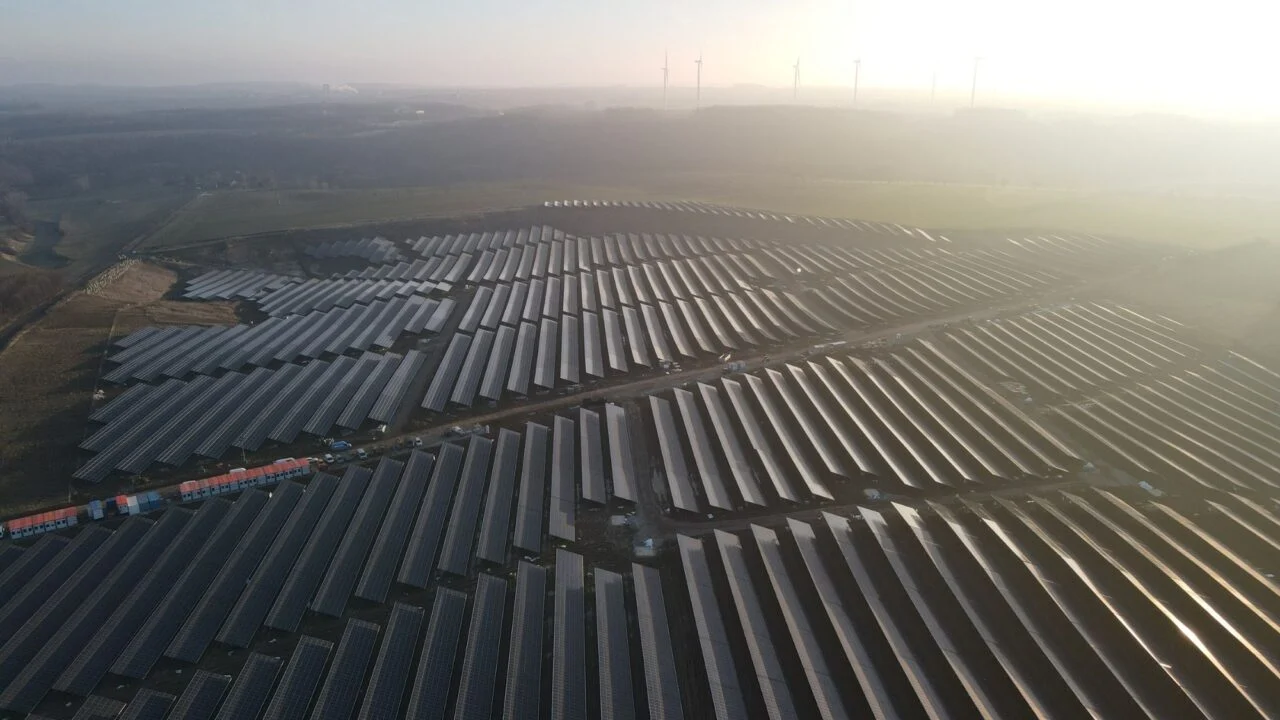
German solar PV generation has continued to grow in the first half of 2026, reaching a new all-time high of 43.2TWh.
A 10% year-on-year increase sounds like a victory lap for the green-tinted press, but for a developer in Bavaria or Brandenburg, 43.2TWh is the sound of a saturated market screaming for flexibility. We have officially moved past the era where 'more panels' automatically equals 'more profit.' The delta between capacity growth and actual generation is narrowing because of one uncomfortable reality: curtailment.
The Cannibalization Trap
When the sun is high in June, the German grid is increasingly choking. If you’re still pitching pure PV projects based on historical yield models, you are doing your clients a disservice. We are seeing record numbers of hours where the Day-Ahead price on the EPEX SPOT hits zero or goes negative. In H1 2026, those 43.2TWh likely included millions of Euros in 'lost' revenue because the EEG (Erneuerbare-Energien-Gesetz) Section 51 rules—which halt payments during negative price periods—now bite harder than ever.
The Retrofit Goldmine
The smart money isn't in the next 5MW ground-mount; it’s in the BESS retrofit market. If your firm isn't integrating Tesla Powerpacks or Sungrow's liquid-cooled storage solutions into every commercial and industrial (C&I) bid, you’re leaving the most profitable part of the value chain to the competition. A 10% generation boost without a corresponding surge in storage capacity is a recipe for developer insolvency.
If your H1 report looks like this headline, you're standing on a gold mine that’s starting to cave in. The 10% growth isn't a sign to build more; it's a sign to build smarter.