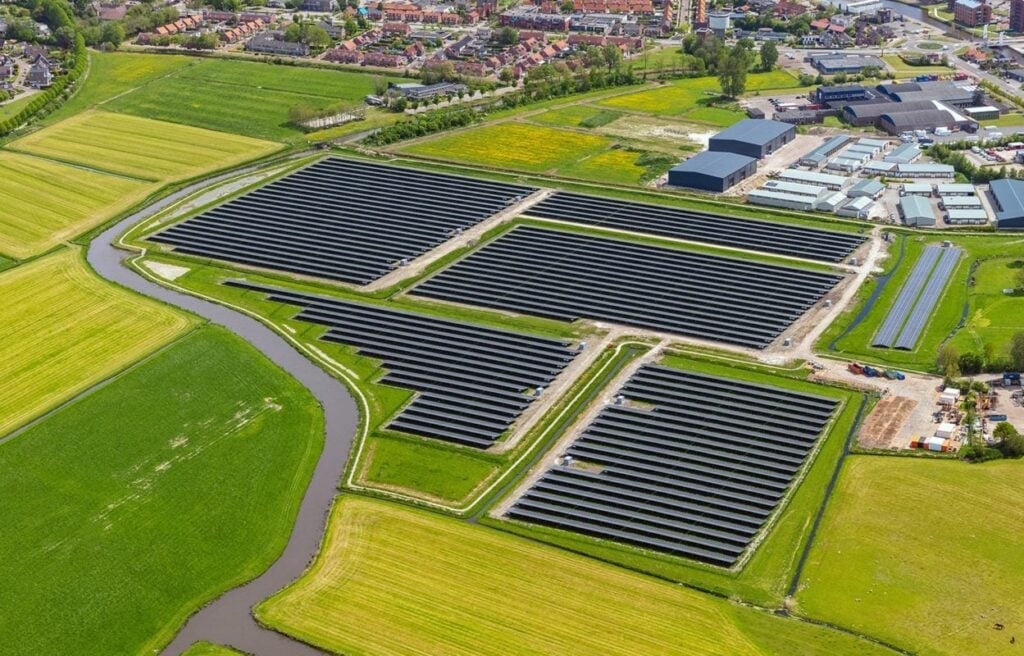
The LCOE for solar PV increased marginally in 2025, reaching US$44/MWh, up from US$43/MWh in the previous year.
Why it matters: Hardware is now so cheap it's almost irrelevant; your profitability now lives or dies by your labor efficiency and financing terms.
For a decade, we’ve been addicted to the downward curve. Installers and developers have treated falling Levelized Cost of Electricity (LCOE) like a law of physics. But IRENA’s latest tick upward to $44/MWh is the cold shower the industry needed. If you think the price of a LONGi or Trina module is the primary driver of your project’s success, you’re looking at a 2018 playbook in a 2025 market.
The 'Soft Cost' Monster Eats the Margins
We are witnessing the decoupling of module prices from project viability. While Chinese N-type TOPCon modules are being offloaded at record lows—sometimes below production cost—the global LCOE is still rising. Why? Because in markets like Germany, the Netherlands, and Italy, the hardware is no longer the bottleneck. The real costs are now human and bureaucratic. When you're paying a certified electrician in Munich €85/hour or navigating the labyrinth of the Italian Soprintendenza for land permits, a 5% drop in shipping costs from Shanghai is a rounding error.
The WACC Reality Check
The elephant in the room is the cost of capital. Even as the ECB begins a cautious pivot, the era of 'free money' that fueled the 2020 solar boom is gone. A 50MW utility-scale project in Spain now faces a Weighted Average Cost of Capital (WACC) that is 200-300 basis points higher than three years ago. That interest rate pressure adds more to the LCOE than any efficiency gain from a 24% cell can take away.
The Installer’s New Mandate