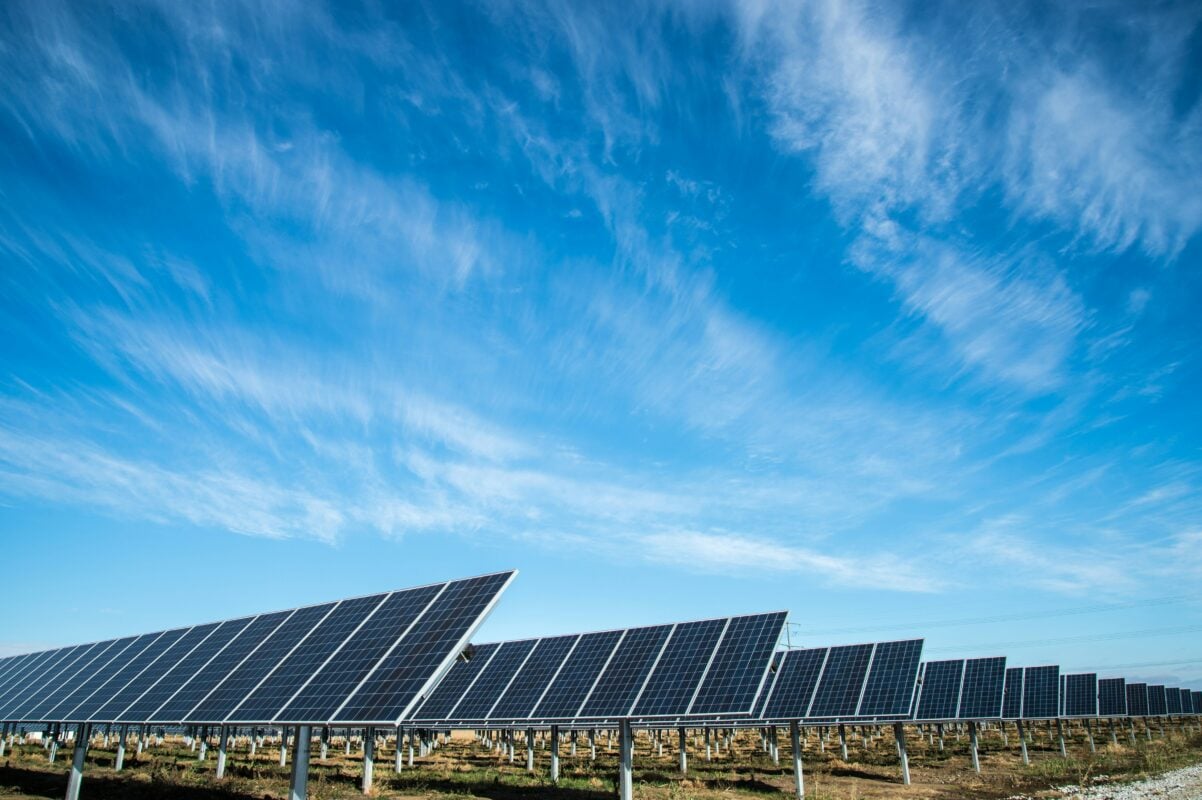
The change mirrored its “position as a long-term owner and operator of multi-technology distributed power resources.”
Why it matters: The era of the 'one-trick pony' solar installer is over; if you aren't integrating storage and flexibility, you're leaving 40% of the project's value on the table.
If you’re still pitching "solar installations," you’re selling a commodity that’s racing to the bottom. REC Solar’s pivot to REC Power isn't a corporate identity crisis; it’s an admission that the value of a standalone electron is plummeting. In markets like Spain, where cannibalization rates have seen prices dip into negative territory for hundreds of hours this year, "Solar" is increasingly seen by sophisticated investors as a risk, not an asset.
The Multi-Asset Mandate
Look at what’s actually in the REC Power bag: fuel cells, microgrids, and flexibility. This is the blueprint for the European C&I (Commercial & Industrial) space. If you are a developer in the Benelux or Germany, your clients aren't asking for a lower LCOE (Levelized Cost of Energy) anymore—they’re asking for grid independence and peak shaving. A 500kW rooftop array is a liability if the grid operator throttles you; add a 200kWh BESS and a smart EMS (Energy Management System), and suddenly you have a bankable asset.
We saw this shift years ago with BayWa r.e. and Statkraft. They stopped being "the panel guys" and became "the power guys." For a local installer, the lesson is clear: if your brand name limits you to one technology, you’re capping your margins. You need to be thinking about VPP (Virtual Power Plant) integration and the EU’s RED III directive, which pushes for more flexibility. If your business card says "Solar," you're signaling to the market that you only solve half the problem. In an environment where the German 2024 EEG reform is tightening the screws on non-dispatchable power, being a multi-technology provider isn't a luxury—it's the only way to stay solvent.