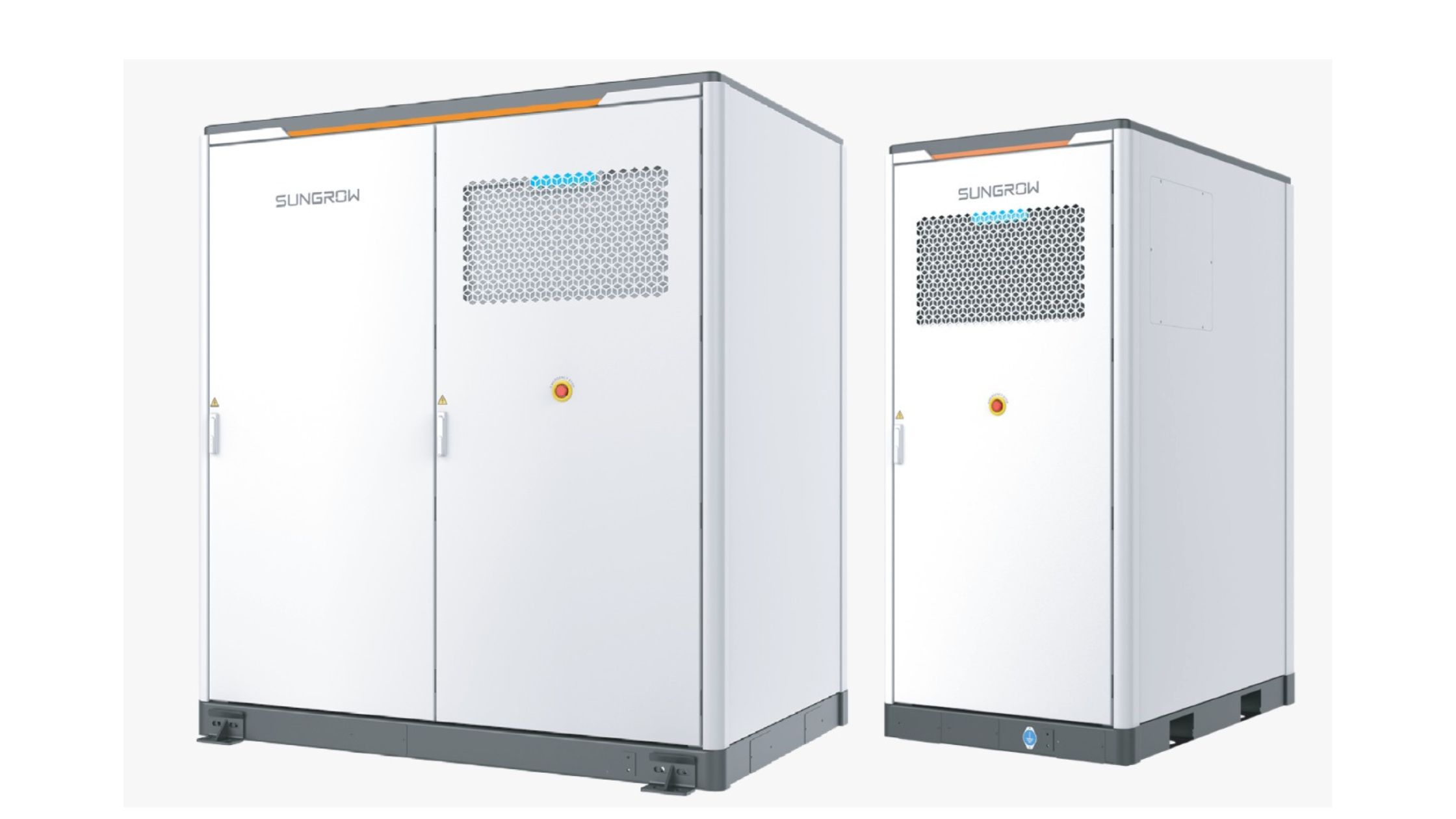
This efficient, pre-installed system enhances operational reliability, reduces installation time, and incorporates advanced AI-driven thermal management and safety measures.
Why it matters: Your margins depend on reducing on-site labor; pre-integrated cabinets like the 255CS are the only way to scale C&I storage profitably.
If you’re still piecing together commercial storage systems from disparate inverter and battery suppliers, your margins are about to evaporate. While the PowerStack 255CS launch is focused on the Indian market, it serves as a loud signal for European installers: the era of the 'bespoke' C&I battery is over. Sungrow is doubling down on the 'fridge-style' deployment—a pre-configured, liquid-cooled cabinet that turns a complex engineering project into a simple 'drop and connect' task.
The Industrialization of Site Work
In markets like Germany or the Netherlands, where a senior electrician costs €85+/hour, you cannot afford 40 hours of on-site wiring and troubleshooting. A pre-installed unit like the 255CS cuts site time by roughly 60%. This isn't just about convenience; it’s about surviving the labor shortage. If your competitor can install three 250kWh units in the time it takes you to commission one custom rack, you’ve already lost the bid.
Why the hardware matters for your P&L:For the European professional, the takeaway is clear: stop selling components and start selling commissioned capacity. Manufacturers like Sungrow, Huawei, and Tesla are moving toward these 'all-in-one' blocks because they minimize the biggest variable in any project—the installer's error margin. Align your workflow with these standardized cabinets now, or get left behind by the firms that do.