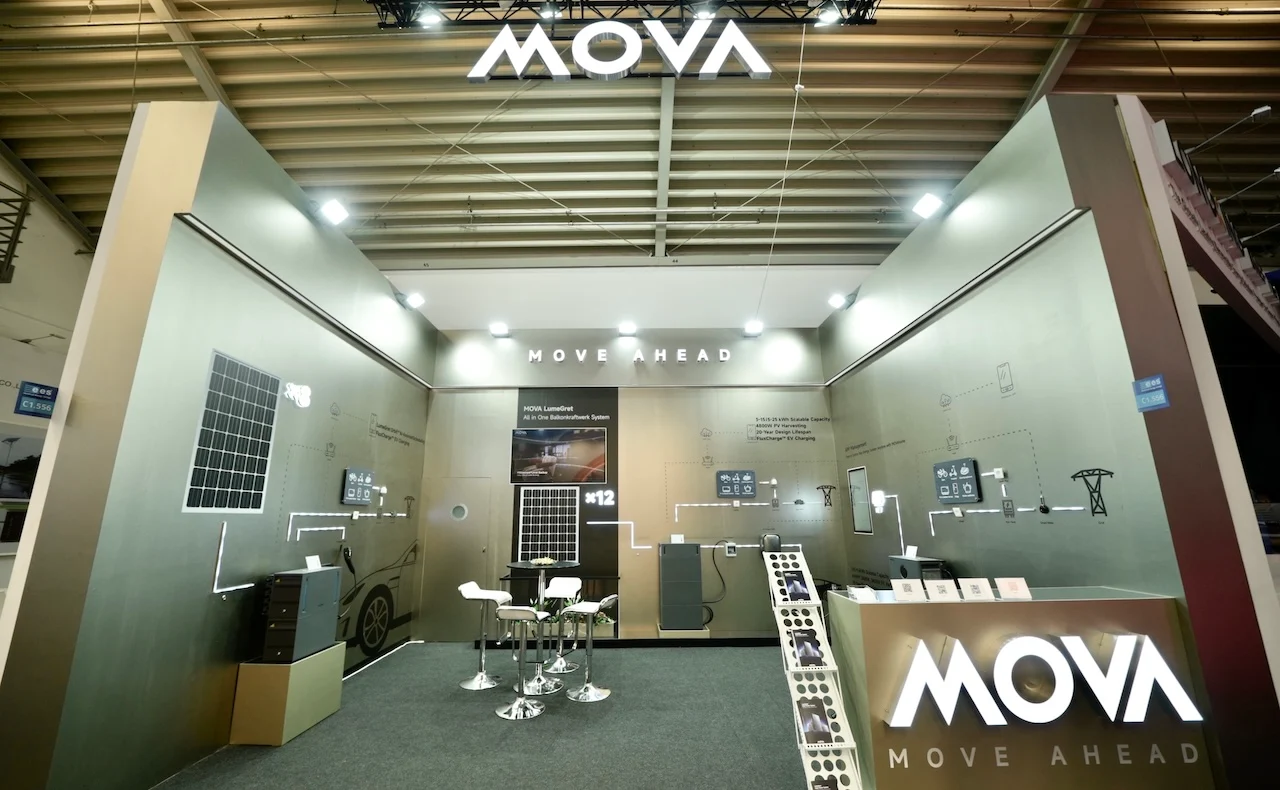
MOVA LumeGret's Roger Shen, says the industry is evolving from standalone hardware solutions toward intelligent home energy ecosystems.
Why it matters: Hardware is now a commodity; your future profit lies in selling the software logic that manages the heat pump and EV charger.
Let’s be honest: the era of making a killing on the markup of a 10kWh LFP battery and a standard string inverter is over. If you’re still selling hardware by the pallet, you’re in a race to the bottom against every DIY kit on the internet. Roger Shen is right, but not for the reason he’s likely pitching. This shift to "intelligent ecosystems" isn't just a tech evolution; it’s the only way for a European installer to maintain a 20%+ margin in a saturated market.
The Proprietary Trap vs. Real Integration
Every manufacturer from Huawei to MOVA is desperate to be the "brain" of the home. Why? Because once you install their proprietary Energy Management System (EMS), you’ve locked that customer into their hardware stack for the next decade. As an installer, your risk is the 10 PM support call when the "intelligent" system fails to trigger the heat pump because of a firmware mismatch. If you’re looking at these new ecosystems, stop looking at the shiny app interface and start looking at the API documentation and EEBUS/SunSpec compatibility.
The Money Angle: Stop quoting "Systems." Start quoting "Energy Optimization Services." A 5kWp system with an EMS that saves a client €400 a year via peak-shaving and dynamic arbitrage is worth more—and carries a higher labor premium—than a 10kWp "dumb" system. We saw this same pattern in the early 2010s with monitoring; the ones who mastered the software side are the ones still in business today while the 'panel-hangers' went bust.