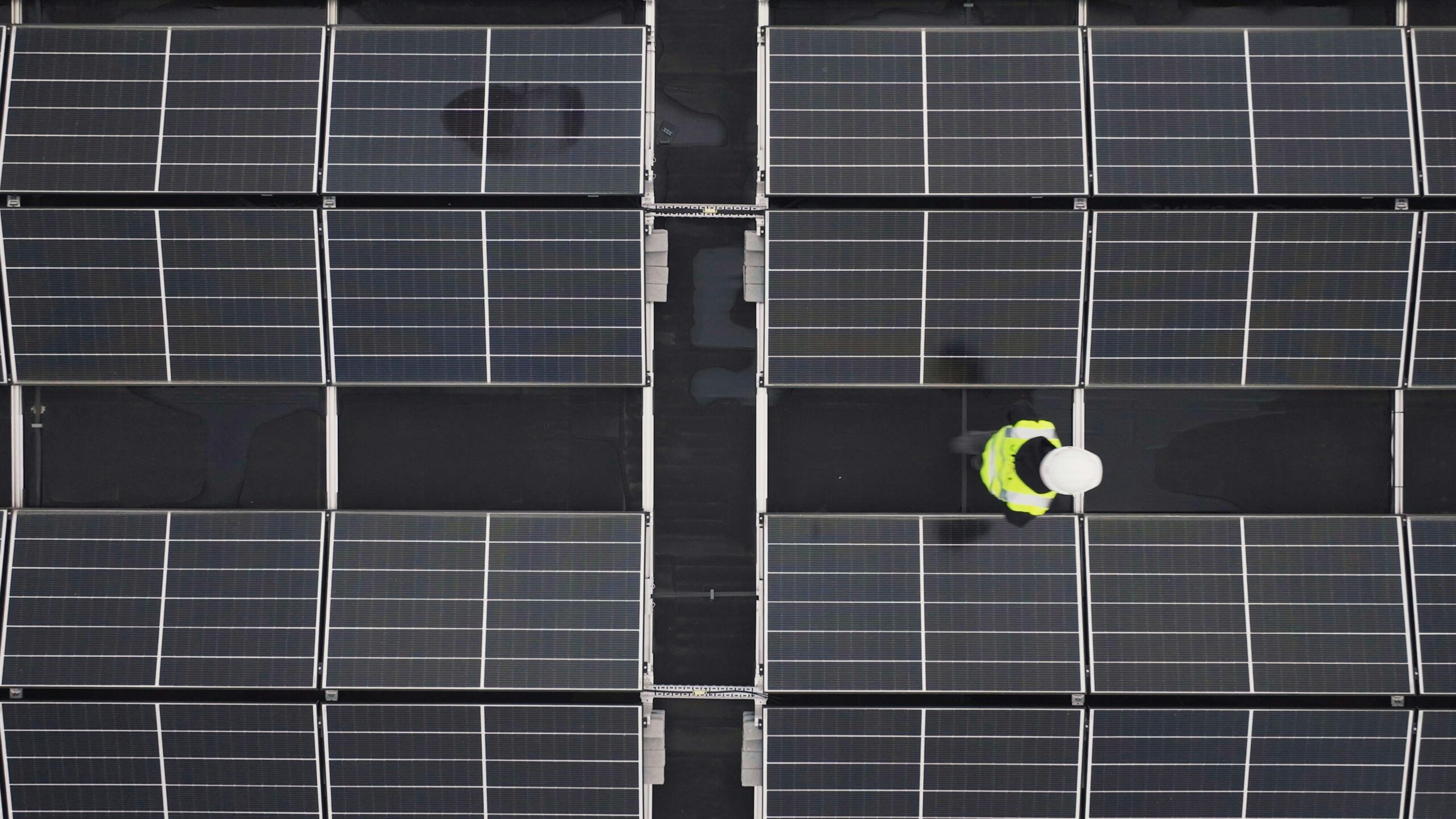
El proyecto licitado por el Ayuntamiento de Arratzu cuenta con un presupuesto de 412.411 euros y el plazo de ejecución previsto es de seis meses. La planta, de 40 kW, se ha diseñado como autoconsumo compartido.
Why it matters: Public tenders with inflated budgets like this distort the market and hide the true administrative bottlenecks of Spanish community solar.
The Math Simply Doesn't Square
Let’s look at the elephant in the room: €412,411 for a 40 kWp system. In what universe does a standard PV installation cost over €10,000 per kilowatt? Even with the current premium on Basque labor and the complexities of public procurement, this price tag is roughly ten times the market rate for a commercial-scale rooftop system. If you aren't raising an eyebrow at these numbers, you haven't looked at a balance sheet lately. Even accounting for structural reinforcements or a massive integrated battery storage system—which the brief doesn't mention—this budget is an anomaly that should make every lean-operating installer in Iberia wince.
The Public Sector Premium Trap
We see this pattern across the EU, but specifically in Spain's municipal tenders: projects are often bundled with unrelated civil works or 'consultancy' fees that bloat the CAPEX. For a local installer, winning a bid like Arratzu’s might look like a lottery win, but beware the 'Public Sector Trap.' Between the administrative overhead of Autoconsumo Colectivo and the potential for payment delays from small ayuntamientos, that fat margin can evaporate into a bureaucratic nightmare. If you're bidding on these, ensure your contract accounts for the inevitable six-month delay in grid connection (punto de conexión) that still plagues the Spanish market.
The Reality of Collective Self-Consumption
While the budget is baffling, the choice of Autoconsumo Compartido is the right strategic move. Since the 2,000-meter limit expansion under RD 244/2019, these small-town projects are the perfect laboratory for community energy. However, the real challenge isn't bolting Longi or Jinko panels to a roof in Arratzu; it’s the data exchange with distributors like i-DE (Iberdrola). If the municipality hasn't sorted the coefficient distribution (coeficientes de reparto) for the neighbors and public buildings involved, this 40 kW plant will sit idle long after the six-month execution window closes. Don't just sell the hardware; sell the management of the energy sharing, because that’s where the actual value—and the recurring revenue—now lives.