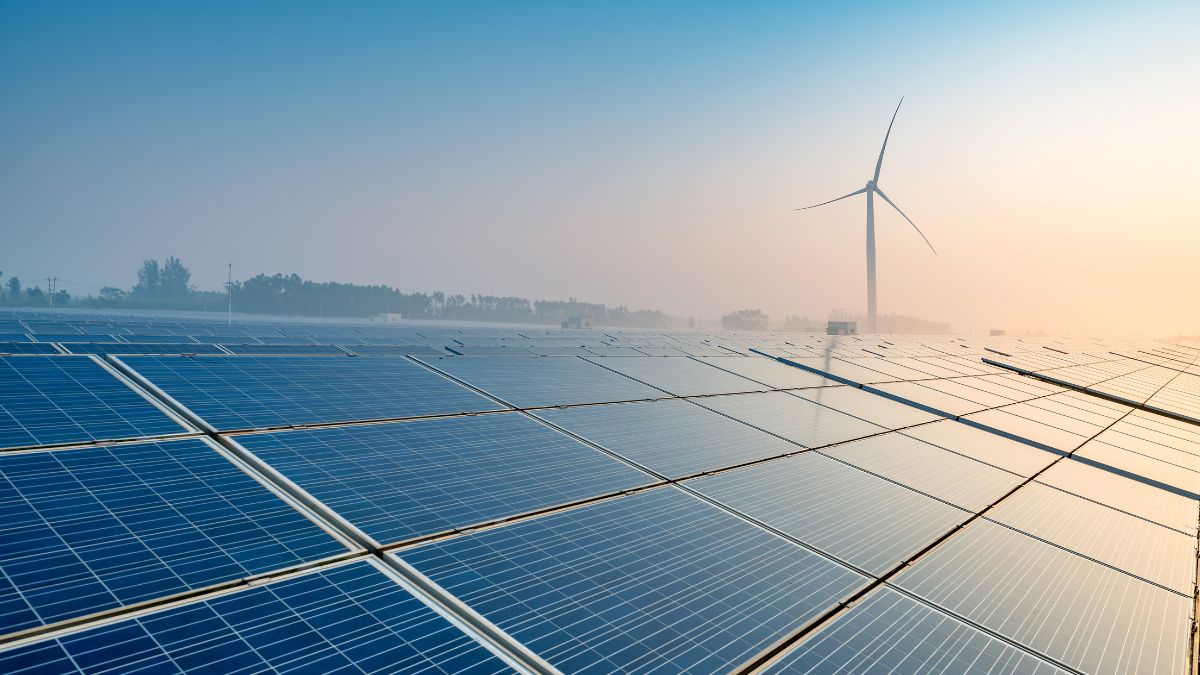
The JV, founded on July 3, 2026, involves a 51% stake for Coal India and will develop various renewable sources, enhancing the state's clean energy capacity.
Why it matters: Gigawatt-scale shifts by global coal giants create a pricing floor for modules that prevents the 'cheap solar' era from lasting as long as you hope.
When the world’s largest coal miner doubles down on solar in India’s most populous state, it isn’t a victory for environmentalism—it’s a cold-blooded hedge against a terminal business model. Coal India Limited (CIL) entering a 51/49 joint venture with UPRVUNL is a massive market signal that the Levelized Cost of Energy (LCOE) for new thermal plants has finally lost the argument against PV, even in the heart of the coal belt.
The Gravity of Scale
For a developer in Germany or a project manager in the Netherlands, this news might seem geographically distant. It isn't. When state-owned behemoths like CIL pivot, they do so with procurement volumes that dictate global module pricing. We are talking about potential gigawatt-scale tenders that will further consolidate the order books of Tier-1 manufacturers like Jinko Solar or Adani. This massive internal demand in India acts as a price floor; every GW installed in Uttar Pradesh is a GW that isn't being dumped at fire-sale prices into the European port of Rotterdam.
Don’t Mistake Survival for Sustainability
I’ve seen this pattern before with European utilities like RWE or Enel. They spent decades defending coal until the carbon math became undeniable. CIL's move into renewables is likely an attempt to utilize their massive land banks—often contaminated mining land unsuitable for anything else—for solar farms. The lesson for EU installers: Watch these "brown-to-green" transitions. They represent the most efficient way to scale because the grid connection infrastructure is often already in place. If you are struggling with 24-month interconnection delays in Spain or Poland, look at how these JVs bypass those hurdles by repurposing existing thermal nodes.
The Supply Chain Reality Check
While the EU pushes the Net-Zero Industry Act (NZIA) to bring manufacturing home, JVs like this reinforce India's position as a massive solar sink and a growing manufacturing hub. As India tightens its ALMM (Approved List of Models and Manufacturers), we may see more of these state-backed projects sourcing domestic Indian cells, potentially freeing up or tightening Chinese supply for the rest of us. It’s a delicate balance that affects your margin on every 500kW C&I rooftop project.