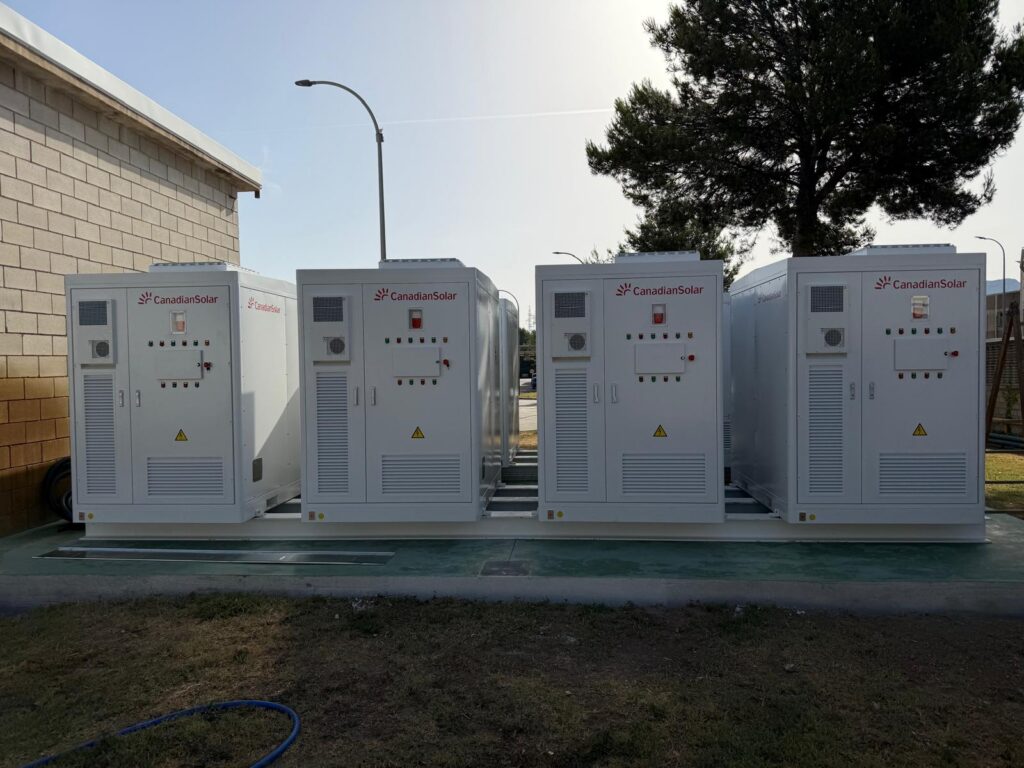
Esta ampliación da continuidad al sistema de almacenamiento de 1 MW / 2 MWh, puesto en marcha en 2023, y se suma a una infraestructura energética que ya cuenta con 22.000 paneles solares y más de 8,8 MWp.
Why it matters: Storage retrofits are the only way to save the ROI of large C&I projects as midday power prices in markets like Spain and Germany continue to collapse.
While half the installers in Iberia are still crying about high interest rates and the post-subsidy hangover, Cubierta Solar just doubled down on a project that should be the blueprint for every C&I developer in Europe. By expanding TexAthenea’s battery capacity to 4 MWh alongside an 8.8 MWp array, they aren't just 'going green'—they are building a fortress against the cannibalization of the Spanish PV market.
The End of the 'Solar Only' Era
In Spain, the midday price of electricity on the OMIE (the Iberian Market Operator) is increasingly hitting zero or even negative territory thanks to the massive influx of renewables. For a textile giant like TexAthenea, an 8.8 MWp plant without significant storage is a stranded asset during peak production hours if they can't consume every drop of energy immediately. The fact that they expanded an existing 2023 system proves the ROI is there. They didn't do this for a PR trophy; they did it because the first megawatt-hour worked.
A Warning to Mid-Market Installers
If your sales team is still pitching 500kW rooftop systems based purely on self-consumption ratios without a BESS conversation, you are leaving money on the table and leaving your client exposed. This project in Villena shows that the market has moved from 'testing' to 'scaling.' The technical hurdle isn't the battery itself—it's the EMS (Energy Management System) orchestration required to make 22,000 panels play nice with a 4MWh chemical fire. If you don't master the controls now, you'll be relegated to being a sub-contracted panel-bolter for firms like Cubierta Solar who actually understand the value of the electrons.