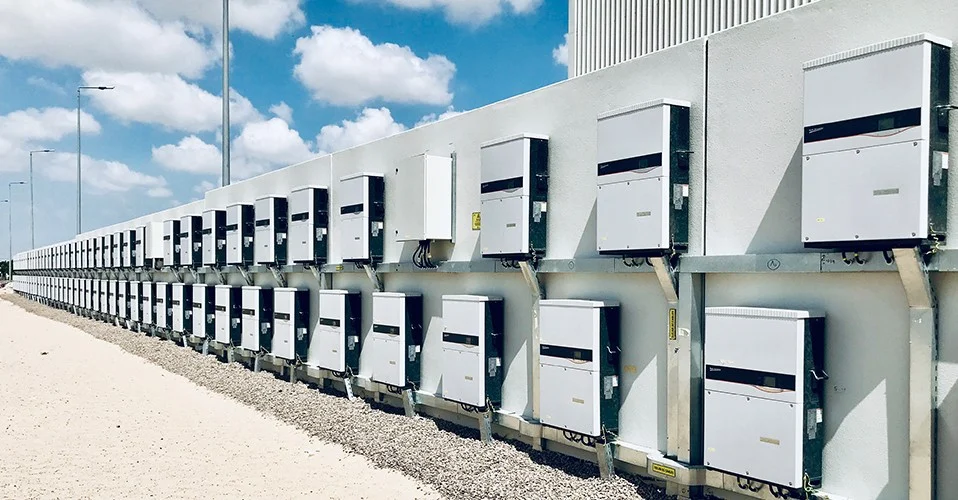
The US is reportedly drafting a ban on Chinese solar inverters over concerns that they pose a risk to the grid.
Why it matters: A US ban will trigger a European regulatory 'copycat' effect, making your choice of inverter brand a long-term compliance gamble.
The 'Trojan Horse' Narrative Gains Teeth
Don't be fooled into thinking this is a fringe security concern. This is the 5G playbook applied to the power grid. When Washington talks about 'grid risks,' they are specifically targeting the communication layers of Huawei, Sungrow, and GoodWe. For a European installer, the immediate reaction might be to ignore the noise across the pond, but that’s a mistake. The EU’s Cyber Resilience Act (CRA) is already setting the stage for similar 'trusted vendor' requirements that could make today's hardware tomorrow's liability.
The Supply Chain Backwash
If the US market closes, Chinese manufacturers will pivot their massive overcapacity toward the EU. We could see a short-term price war that makes a 10kW hybrid inverter look like a bargain. However, margin-hungry installers should be wary. Loading up on inventory that could theoretically be designated as 'high risk' under future ENISA (European Union Agency for Cybersecurity) guidelines is a recipe for stranded assets. We saw how fast the wind shifted for modules with the UFLPA; inverters are more vulnerable because they actually 'talk' to the grid and possess remote shutdown capabilities.
The Diversification Mandate
If you aren't already qualifying European or 'neutral' alternatives like SMA, Fronius, or even SolarEdge (despite their current stock woes), you’re exposing your business to binary geopolitical risk. A project developer sitting on a 50MW pipeline in Spain or Poland needs to bake this into procurement contracts now. Specific actions to take: